Reviewed · PRIVATE
Dubrovnik to Athens; Semi – Private tour with Tour Leader & Car
The real appeal here is the range: in 14 days, you move from Dubrovnik to Athens through seven countries, crossing Ottoman bazaars, Orthodox monasteries, medieval castles, mountain roads, and lakeside towns. This is not a quick coastal holiday. It is a road journey through the Balkans, with a new story almost every day.
I like the small maximum group of 10, which keeps the car more personal than a large coach. I also like the strong mix of places and food, from Bišćevića House in Mostar to Tirana’s byrek and raki, a slow-food farm in Albania, and wine country near Rahovec. The main drawback is the pace: several days involve long drives, and Meteora and Skopje may feel short on time.
In This Review
- Key points to know before booking
- What the Dubrovnik to Athens route is really like
- Mostar and Sarajevo, where the past is close
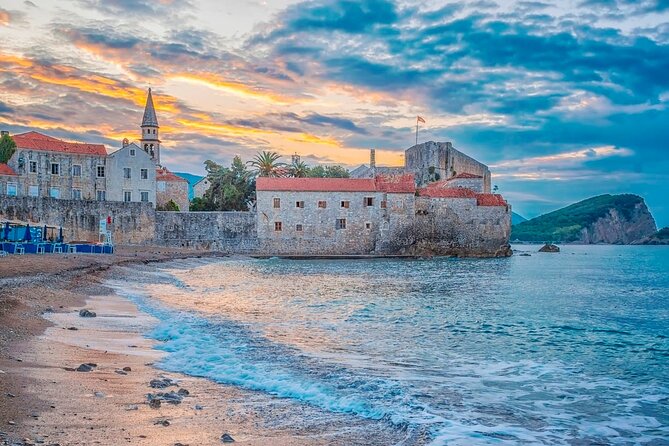
- Blagaj, Kotor, and Montenegro’s compact old towns
- Shkoder and Kosovo, with craft, food, and faith
- Kruja and Tirana, Albania at its most personal
- Ohrid and the quiet side of North Macedonia
- Berat, Gjirokaster, and the road toward Greece
- Price, hotels, and what is included
- Who should book this Balkan road trip
- FAQ
- How long is the Dubrovnik to Athens tour?
- How many people can join the tour?
- What countries does the route visit?
- Are hotels and breakfast included?
- Is transportation included?
- Can the tour end in Corfu instead of Athens?
- Should you book it?
Key points to know before booking
- Seven countries in 14 days: Croatia, Bosnia and Herzegovina, Montenegro, Kosovo, Albania, North Macedonia, and Greece are linked in one overland route.
- A small group by design: The tour accepts no more than 10 people, with a professional tour leader and private transportation.
- UNESCO sites come thick and fast: Mostar, Kotor, Ohrid, Berat, Gjirokaster, Dečani Monastery, and Meteora all feature.
- Food is part of the trip: Tirana includes a food tour, while Mrizi i Zanave and The Barrels offer local produce and countryside meals.
- Expect real road time: The route covers a lot of ground, so some sightseeing days also include long transfers.
- The price includes the big practical costs: Hotels, breakfast, fuel, road taxes, car insurance, tourist taxes, transportation, and listed entry fees are covered.
What the Dubrovnik to Athens route is really like
This tour is best understood as a moving cultural journey rather than a collection of long stays. You begin after exploring Dubrovnik independently, then set off inland and east through places that are still less familiar to many international visitors.
You cross several borders, so your tour leader and driver matter. The local representative picks you up near your hotel in Dubrovnik and takes you to the border, where you meet the tour leader. Cars cannot reach every part of Dubrovnik Town, so you may need to walk to the nearest pickup point.
The group size is a genuine advantage. With no more than 10 people, you should have more room for questions, quicker stops, and easier movement through narrow old towns. Guides named in the feedback include Sokol, Neli, Gerion, Juli, and Eri. The most useful praise centers on their friendliness, regional knowledge, restaurant advice, help with internet connections, and calm driving on steep and narrow roads.
You should still bring patience. This is an ambitious route, and border crossings, traffic, weather, or site closures can change the schedule. The road itself is part of the experience, but it also means you will not have long, unhurried afternoons everywhere.
More Dubrovnik tours worth comparing
- Mostar and Kravice Waterfalls Tour from Dubrovnik (Semi-Private)
★ 5.0 · 3,125 reviews - Dubrovnik: Blue & Green Caves Private Boat Tour with Drinks
★ 4.7 · 814 reviews - Dubrovnik Private Speedboat Tour to Elaphite Islands with Drinks
★ 5.0 · 660 reviews
Mostar and Sarajevo, where the past is close
On the first day, Mostar gives you a strong opening. The Old Bridge, or Stari Most, is the main attraction, but the surrounding Ottoman-era bazaar is just as important. Cobblestone lanes, mosques, small shops, and stones marked with Don’t Forget give the town a serious edge beneath its postcard beauty.
The visit includes the bridge and Old Bazaar, with admission covered. You also visit Bišćevića Kuća, a 17th-century Ottoman house beside the river. Its preserved rooms offer a more intimate look at domestic life than another grand monument would.
The allotted time in Mostar is about an hour, followed by 30 minutes at the house. That is enough for a guided introduction and a short walk, but not enough for a slow exploration of every lane. If you want photographs from several bridge viewpoints or time for a full meal, plan to use any free time carefully.
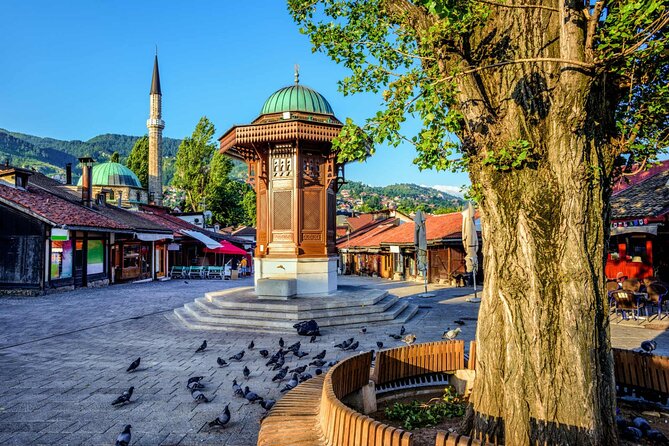
Sarajevo on Day 2 shifts the mood. You walk through Ottoman and Austria-Hungarian quarters, with mosques, churches, synagogues, markets, and bazaars showing why Sarajevo is often described as a European Jerusalem. Bullet holes and cannon marks remain visible in parts of the city, and the tour places the Yugoslav War within the city’s broader story.
Latin Bridge is the key historical stop. Here you learn how the assassination of Archduke Franz Ferdinand helped trigger the First World War. A complimentary Turkish coffee or tea at Caffe Divan adds a welcome pause after walking.
Be ready for uneven ground. The Sarajevo portion includes ruins and historic streets, so comfortable shoes are essential. The schedule gives around three hours across the city and bridge area, which is more generous than some later stops.
Blagaj, Kotor, and Montenegro’s compact old towns
Blagaj is a short visit, but its setting makes it worthwhile. The town sits below a cliff beside the blue-green source of the Buna River. Its Ottoman character and calm water offer a sharp contrast to Sarajevo’s urban weight.
Kotor then brings you back to the Adriatic world. Its walled old town is a maze of narrow lanes, churches, and buildings marked with plaques describing their age and former use. The deliberately confusing street plan was designed to frustrate raiders, though today it mostly frustrates anyone trying to find the right café.
You visit St. Luke’s Church, a local symbol of unity, then have afternoon time to explore on your own. Two hours is enough to enjoy the center and stop for a drink, but it is not a full Kotor hiking visit. The itinerary does not promise a climb high into the fortress walls, so do not book this route expecting a mountain trek above the bay.
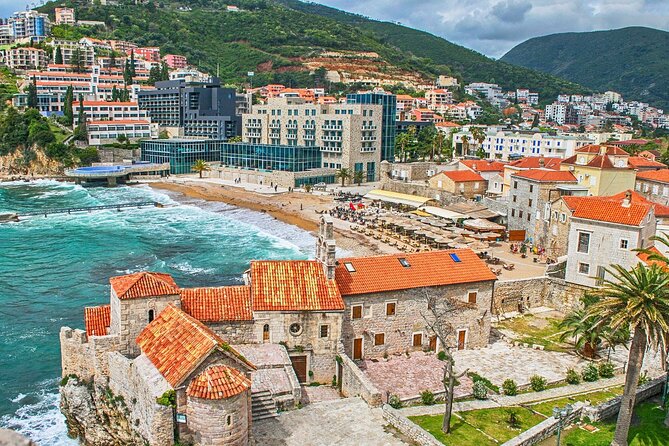
Budva on Day 4 offers another old town, this time alongside a modern resort district filled with shops, restaurants, bars, and newer buildings. The historic center includes St. Ivan Church, St. Mary’s Church, and medieval streets. The contrast between old and new is part of the point.
Near Sveti Stefan, you stop for photographs. The former fishing village now operates as an exclusive residential resort, and the island cannot be visited. This is a scenic roadside pause, not a full excursion.
Shkoder and Kosovo, with craft, food, and faith
In Shkoder, Rozafa Castle provides broad views toward the lake and the meeting point of three rivers. The city carries Venetian influence, and its Venetian mask workshop adds a hands-on artistic stop. You see papier-mâché masks being made and painted by hand, with styles ranging from traditional carnival designs to newer imaginative work.
The next day is one of the route’s strongest cultural pairings. At Mrizi i Zanave, a slow-food farm, you learn how local produce is collected, prepared, and preserved. The farm also adapted old communist buildings for storage and created jobs for more than 400 people in the surrounding area.
Lunch is not included, but this is a sensible place to spend some of your food budget. You can eat a traditional meal or buy fresh farm products. Since lunches and dinners are generally excluded, these stops are useful chances to choose what and how much you want to eat.
Prizren is one of the most appealing overnight bases. Its river, old bridges, Ottoman buildings, and medieval lanes make it easy to explore on foot. The Sinan Pasha Mosque is the main religious visit, while Kalaja Fortress gives you a view over the town.
You also have free time in Prizren, which matters here. Filigree metalwork is a local craft, and the bazaar is a good place to look for handmade items rather than generic souvenirs. August brings Dokufest, an international short film festival, but the tour does not include festival tickets or depend on that event.
Gjakova continues the bazaar theme with Kosovo’s oldest and largest market area. It has been destroyed and rebuilt several times, including after the Kosovo War. Look into the artisan workshops instead of only browsing storefronts. The appeal is seeing old skills remain part of daily commercial life.
Dečani Monastery brings a different kind of visit. Orthodox monks still live there and produce food such as cheese. Its 14th-century frescoes earned UNESCO status in 2004, and the paintings show both religious scenes and details of period life. Access to religious sites can involve rules about dress and behavior, so follow your tour leader’s instructions.
Rahovec adds wine to the route. Grapes have been cultivated in the valley since Illyrian times, and vineyards sit on low hills between roughly 350 and 520 meters. The annual wine festival takes place each September. The visit is brief, so think of it as an introduction rather than a full wine tour.
A completely different way to spend a day in Dubrovnik:
- Blue Cave Small-Group Boat Tour from Dubrovnik
★ 5.0 · 9,360 reviews - Full-Day Dubrovnik Elaphite Islands Cruise with Lunch and Drinks
★ 5.0 · 8,823 reviews - Dubrovnik: Epic Game of Thrones Tour + Lokrum & Saver Option
★ 4.9 · 5,995 reviews - Dubrovnik: Elaphiti Islands Full-Day Cruise with Lunch
★ 5.0 · 5,938 reviews
Kruja and Tirana, Albania at its most personal
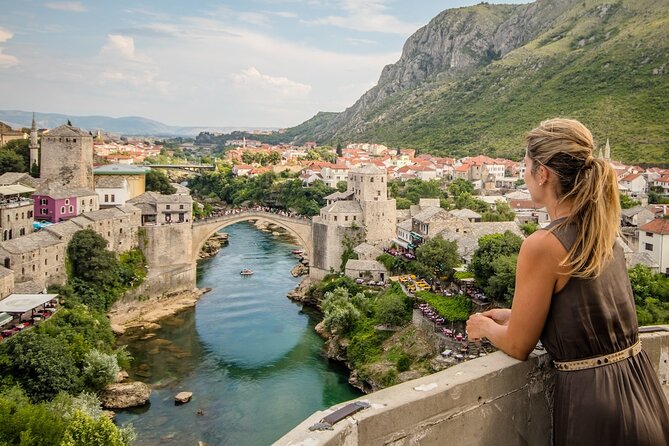
Kruja is tied to Albanian resistance against Ottoman expansion and remains one of the best places on this route for shopping. The old bazaar climbs through narrow streets lined with wooden houses, carpets, jewelry, and handmade goods.
The castle sits on a rocky hill and dates back to the fifth century AD. Your tour leader shows you lesser-known paths once used to leave the castle quietly during attacks. That detail turns a standard castle visit into a more vivid lesson in how the town worked.
Tirana on Day 8 is less about monuments and more about eating with a local companion. You begin with byrek, a thin pastry filled with ingredients such as cheese, meat, or spinach. At Çam Bazaar, you can browse everyday goods and bargain with sellers, then sample seasonal produce and local flavors.
At Pazari i Ri, the experience continues through neighborhood streets, a second-hand market, and the New Bazaar. A traditional Albanian meal is included, along with a taste of grape raki. This is one of the tour’s best opportunities to see ordinary city life rather than only its formal sights.
The food tour is also practical for vegetarians. The route’s food experiences use regional produce, and the company has arranged vegetarian meals on customized trips. Still, tell the operator and guide your dietary needs before departure rather than assuming every meal will suit you.
Ohrid and the quiet side of North Macedonia
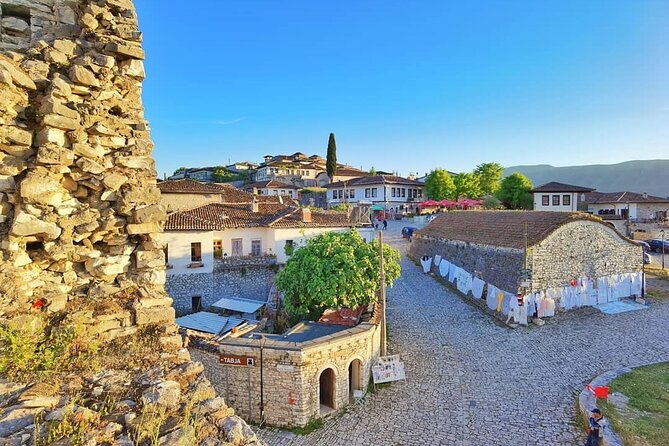
Struga is a short stop beside the source of the Drini River. It functions mainly as a break before Ohrid, so keep expectations modest.
Ohrid deserves more time. The city and lake have UNESCO status, and the viewpoint at St. John at Kaneo is the signature scene. Byzantine religious history is central here, with the local tradition claiming 365 Orthodox churches, one for each day of the year.
The old houses and narrow streets reflect the city’s hillside setting. Many homes were built so residents could retain a view of the lake, and the lanes, tunnels, and small courtyards make wandering rewarding. The National Workshop for Handmade Paper adds a small but memorable stop. You see paper made by techniques linked to the time of Gutenberg and can buy a sheet as a useful souvenir.
Day 10 includes St. Naum Monastery, set by the source of the Crni Drim within Galicica National Park. Clear spring water, greenery, and mountain views make this one of the trip’s most restful settings.
Across the border in Albania, Tushemisht offers contact with local sellers of honey, preserves, herbs, and handmade goods. Drilon National Park follows, with spring-fed water, a small lake, and willow trees. These stops slow the rhythm before Berat, though the visits are fairly short.
Berat, Gjirokaster, and the road toward Greece
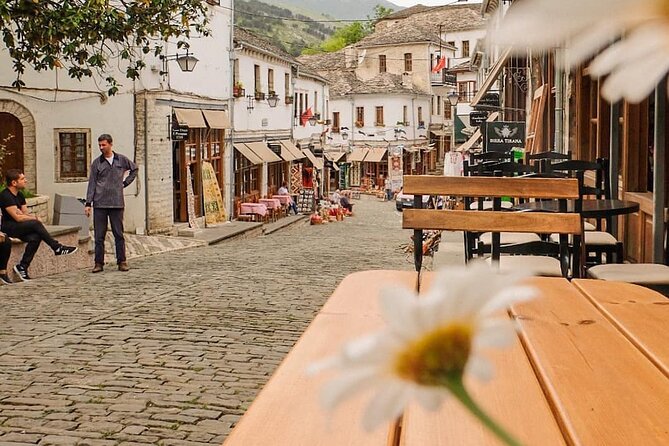
Berat is known as the town of 1,001 windows. Its hillside houses seem to stack above one another, and people still live inside the castle area. The castle, old churches, mosques, and stone streets make this a place where you should look up as much as forward.
The Onufri Iconographic Museum explains the work of the famous church painter associated with Berat. His distinctive red pigment is still difficult to copy. Gorica Bridge and the Gorica neighborhood then provide another view of the city across the river.
Gjirokaster is even more dramatic, with stone roofs, steep lanes, and houses built like small fortresses. The castle and old bazaar anchor the visit, while a preserved traditional house shows how residents once lived. The town hosts a major folklore and traditional music gathering every five years, though the tour does not guarantee that event.
At The Barrels, a family-run winery, you have time for lunch in the countryside. Again, lunch is at your own cost, but the setting makes this a pleasant place to try regional food and wine.
Ioannina in Greece offers Byzantine and Ottoman remains, a castle, old streets, cafés, and Greek dishes. It is a useful bridge between the Balkan countries and the final Greek portion of the trip.
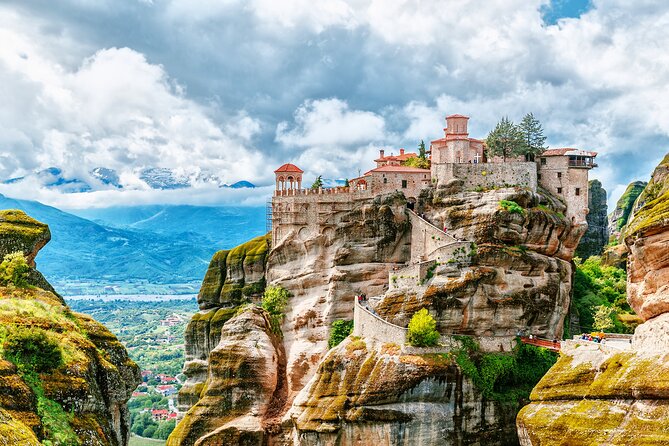
Meteora is the visual climax. Monasteries from the 14th and 15th centuries perch on huge rock formations, and the sunset can be spectacular. The weakness is time. Two hours may allow the main viewpoints and one included site, but it may not be enough to visit several mountaintop monasteries. One full day would suit Meteora better.
Price, hotels, and what is included
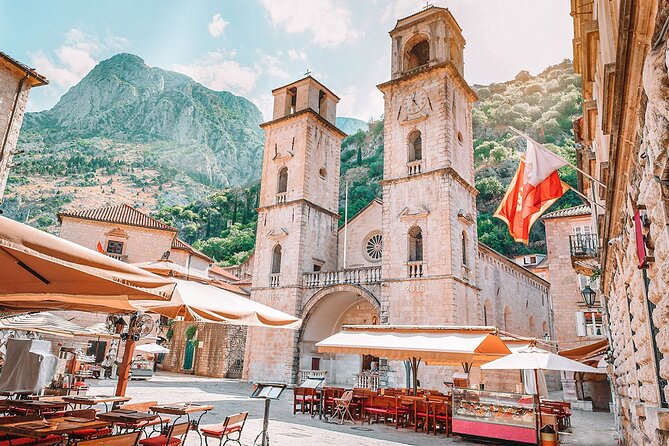
At $6,020.56 per person, this is a major purchase. The price is calculated for double, twin, triple, or quadruple occupancy in three-star hotels, so you need to confirm the room arrangement and any single supplement before paying.
The value comes from the route’s scale and the costs bundled into it. You receive private transportation, a professional tour leader, hotel pickup in Dubrovnik Town, hotel drop-off in Athens, fuel, road taxes, international car insurance, tourist taxes, breakfast for 13 mornings, and entry fees for listed sites.
Three-star hotels will not appeal to everyone seeking luxury. The accommodation is intended as a practical base, and the feedback describes many small, family-run hotels, sometimes in converted historic buildings. Some accounts also describe four-star quality, but that is not the published promise, so book for the route rather than for hotel polish.
Budget extra for every lunch, dinner, drink, snack, and souvenir. The included Tirana food tour and Sarajevo coffee help, but food costs across 14 days will still add up. Tipping your tour leader and driver is also customary if their work serves you well.
Who should book this Balkan road trip
I would choose this tour if you want one organized route through countries that are difficult to link by public transport. It suits curious, active people who enjoy old towns, religious buildings, food markets, changing scenery, and history that is still visible in city streets.
It is also a good fit if you value a small group and a driver who handles the roads. Eri was praised for managing narrow, steep routes and traffic, while Sokol was described as engaging and fun. Those qualities matter when the vehicle becomes your moving base for two weeks.
I would hesitate if you need slow travel. The Prizren to Ohrid section can become a very long day, especially if Pristina and Skopje are included along the way. Skopje receives little time in the described schedule, and the final drive from Kalabaka to Athens is also long.
The standard ending is hotel drop-off in Athens. An alternate Day 14 arrangement takes you to Igoumenitsa Port, with ferry tickets included for the crossing to Corfu. Confirm your final destination before booking, since these are different endings.
FAQ
How long is the Dubrovnik to Athens tour?
The tour lasts approximately 14 days, beginning in Dubrovnik and normally ending with hotel drop-off in Athens.
How many people can join the tour?
The maximum group size is 10 people.
What countries does the route visit?
The route covers Croatia, Bosnia and Herzegovina, Montenegro, Kosovo, Albania, North Macedonia, and Greece.
Are hotels and breakfast included?
Yes. Accommodation and breakfast are included for the overnight stays, with three-star hotel accommodation specified and 13 breakfasts included.
Is transportation included?
Yes. Private transportation, fuel, road taxes, international car insurance, tourist taxes, and listed transportation arrangements are included.
Can the tour end in Corfu instead of Athens?
Yes. An alternate ending takes you to Igoumenitsa Port, where you take the included ferry to Corfu Port. Confirm this option when arranging the trip.
Should you book it?
Book this if you want breadth, local food, and serious cultural variety more than a relaxed resort schedule. Mostar, Sarajevo, Kotor, Prizren, Ohrid, Berat, Gjirokaster, and Meteora give you an unusually full introduction to the region, and a small group makes the long route easier to manage.
Do not book it expecting leisurely time in every capital or monastery. The price is high, the cancellation policy is non-refundable, and the route demands stamina. But if you accept the road hours and budget for meals, this is a strong way to connect seven Balkan countries in one carefully supported trip.
Newest reviews from Dubrovnik
- Dubrovnik: Private Tour to Montenegro – Kotor & Perast★ 5.0 · 3 reviews
- Walls of Liberty: A Self-Guided Audio Tour of Dubrovnik★ 3.5 · 3 reviews
- Private Transfer Dubrovnik Airport to Dubrovnik★ 5.0 · 3 reviews
- From Dubrovnik Private tour to Korčula Island★ 3.7 · 3 reviews
- Korcula, Ston, Wine Tasting and Lunch – Tour from Dubrovnik★ 5.0 · 3 reviews
- Private tours created by You from Dubrovnik region★ 5.0 · 3 reviews
- Dubrovnik History, Sweets & Liquors in a Private Palace★ 5.0 · 3 reviews
- Dubrovnik: Game of Thrones Walking, Car and Boat Tour★ 5.0 · 3 reviews
Private, compared.
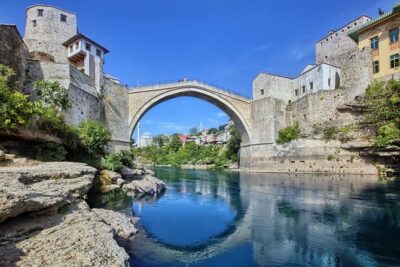
Mostar and Kravice Waterfalls Tour from Dubrovnik (Semi-Private)
Read our review →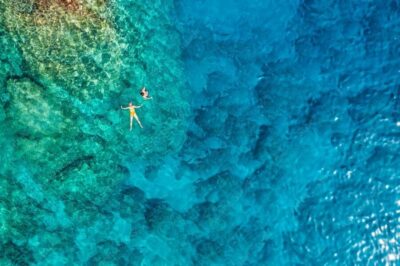
Blue & Green Caves Private Boat Tour with Drinks
Read our review →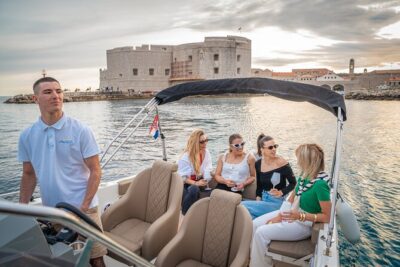
Dubrovnik Private Speedboat Tour to Elaphite Islands with Drinks
Read our review →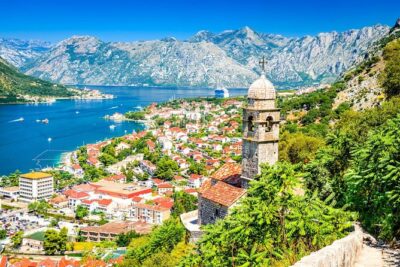
Private Tour: Montenegro Day Trip from Dubrovnik
Read our review →