Reviewed · PRIVATE
Dubrovnik to Tirana; Semi – Private Tour with Tour Leader & Car
The big appeal here is the route: in eight days, you move from Dubrovnik’s Adriatic walls through Bosnia and Herzegovina, Montenegro, Kosovo, and Albania, with Ottoman towns, war history, mountain views, monasteries, vineyards, and markets along the way. I like the small maximum of 10 people and the fact that transport, seven breakfasts, road costs, and a tour leader are bundled in.
I also like the balance between famous sights such as Mostar’s Old Bridge and Kotor’s old town and less polished stops such as a mask workshop, a family-run farm, and Tirana’s local markets. The tradeoff is the pace. You cover a lot of ground, cross several borders, and spend plenty of time in the vehicle. The price, $3,433.11 per person, also deserves a close look, especially since lunches, dinners, drinks, and some admissions are extra.
In This Review
- Key points to know before booking
- Why this Dubrovnik to Tirana route works
- Day 1: Mostar’s bridge and an Ottoman riverside home
- Day 2: Sarajevo, war memories, and coffee
- Day 3: Blagaj and Kotor’s stone maze
- Day 4: Montenegro’s coast, then Shkoder
- Day 5: Farm food and Prizren’s old town
- Day 6: Kosovo crafts, Deçan Monastery, and wine country
- Day 7: Kruja and the story of Albanian resistance
- Day 8: Tirana through food and neighborhood markets
- What the $3,433.11 price really covers
- Who should book this trip
- FAQ
- Where does the tour start?
- Where does the tour end?
- How long is the experience?
- How many people can join?
- Is hotel pickup available in Dubrovnik?
- Is accommodation included?
- Are breakfasts included?
- Are lunches and dinners included?
- Is the tour offered in English?
- Is the tour physically demanding?
- Is the Sarajevo coffee included?
- Is the Tirana food tour included?
- Can I cancel for a refund?
- Should you book the Dubrovnik to Tirana tour?
Key points to know before booking
- Four countries in one overland route: Croatia, Bosnia and Herzegovina, Montenegro, Kosovo, and Albania all appear across the journey.
- Small shared group: The tour accepts a maximum of 10 people, giving you a more personal setup than a large coach trip.
- Strong mix of major sights and local stops: You get Mostar, Sarajevo, Kotor, and Kruja alongside a Venetian mask factory, an agricultural restaurant, and neighborhood markets.
- Accommodation is practical rather than luxurious: The price is based on shared double, twin, triple, or quadruple rooms in 3-star hotels.
- A lot is included in the transport package: Pickup in Dubrovnik, fuel, road taxes, tourist taxes, transport, tour leadership, and breakfast are covered.
- The trip ends with food in Tirana: Byrek, market produce, a traditional meal, and Albanian grape raki close the route.
Why this Dubrovnik to Tirana route works
This is not a beach holiday with a few sightseeing breaks. It is a point-to-point Balkan journey designed for you to see how the region changes from one border to the next.
You begin near the Croatian coast, then head inland to Bosnia and Herzegovina. From there, the route turns south through Montenegro, Kosovo, and Albania before ending in Tirana. That gives the journey a strong sense of movement. You are not returning to the same hotel each night or spending the whole week in one resort town.
The route is especially useful if you want an introduction to places that are harder to connect by public transport in one short trip. You will need patience at borders, flexibility when road or site conditions change, and a willingness to accept some long driving days. The tour company notes that weather, strikes, holidays, closures, renovations, or other outside events can alter the schedule.
The maximum group size of 10 matters. A small vehicle can reach city centers and rural stops more easily than a full-size coach, and it is easier to ask questions or adjust small details during the day. This is still a shared tour, not a fully private trip, so your pace will depend on the group.
More Dubrovnik tours worth comparing
- Mostar and Kravice Waterfalls Tour from Dubrovnik (Semi-Private)
★ 5.0 · 3,125 reviews - Dubrovnik: Blue & Green Caves Private Boat Tour with Drinks
★ 4.7 · 814 reviews - Dubrovnik Private Speedboat Tour to Elaphite Islands with Drinks
★ 5.0 · 660 reviews
Day 1: Mostar’s bridge and an Ottoman riverside home
Your Dubrovnik pickup is scheduled for 7:00 a.m. A local driver takes you from the nearest reachable point in Dubrovnik Town to the border, since cars cannot enter some parts of the old city and surrounding streets. At the border, you meet the tour leader for the main journey.
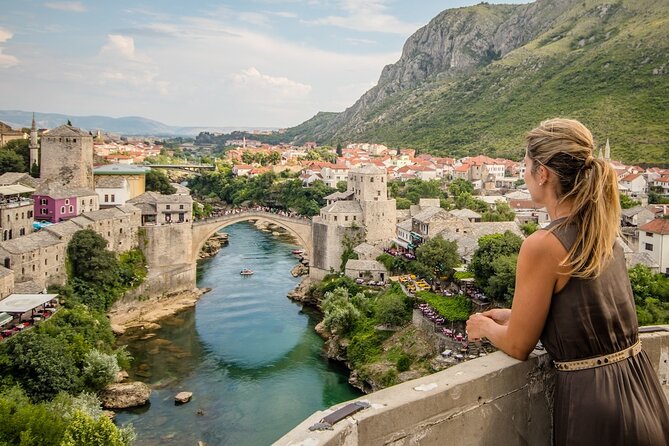
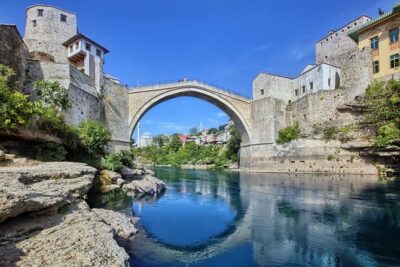
Mostar is the first major stop. Its Old Bridge, Stari Most, was built in the 16th century in an Islamic architectural style and is now a UNESCO World Heritage site. You will have about two hours to walk through the old center, cross the bridge, and browse the Old Bazaar.
Mostar is compact but visually busy, with stone lanes, old mosques, Turkish-style shops, and newer buildings sharing the same streets. Look for the repeated Don’t Forget message in the paving and stones around town. It points to the city’s painful recent past and gives the sightseeing more weight than a simple photo stop.
The visit to Bišćevića Kuća adds a useful domestic detail. This 17th-century riverside house shows how a wealthy Ottoman family lived, with a more intimate feel than a large public monument. The visit lasts about 30 minutes and admission is included.
Your first day is rewarding, but it is also a demanding start. You leave Dubrovnik early, cross a border, and cover two historic sites before settling into the trip. Wear shoes that handle cobbled streets.
Day 2: Sarajevo, war memories, and coffee
After breakfast, you drive to Sarajevo, Bosnia and Herzegovina’s capital. The walking tour lasts about two hours and covers the city’s Ottoman and Austria-Hungarian districts, along with stories from the medieval Bosnian Kingdom.
Sarajevo is one of the most layered stops on the route. Mosques, churches, synagogues, markets, and bazaars occupy the same broad city story, which is why Sarajevo is often described as a European Jerusalem. You will also see bullet holes, cannon marks, and damaged buildings connected to the Yugoslav War. This is not history kept behind glass. In many places, it remains part of the street scene.
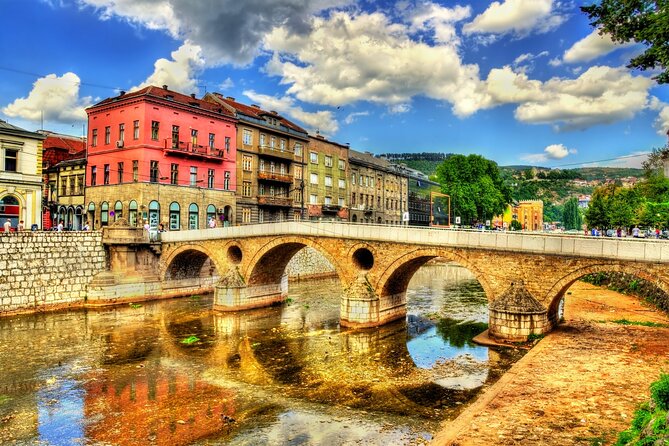
The Latin Bridge receives a separate hour. Here, your tour leader explains how the assassination of Archduke Franz Ferdinand in 1914 helped trigger the First World War. The bridge also tells a smaller local story: its name refers to the Catholic quarter once called Latinluk in Ottoman times.
The day ends with a complimentary Turkish coffee or tea at Caffe Divan. This is a small inclusion, but a good one. Sarajevo is best understood at street level, and pausing over coffee gives you time to absorb the city rather than racing from one monument to the next.
Some walking takes place on uneven ground, including near wartime ruins. If you have trouble with rough surfaces, ask about the day’s walking before setting out.
Day 3: Blagaj and Kotor’s stone maze
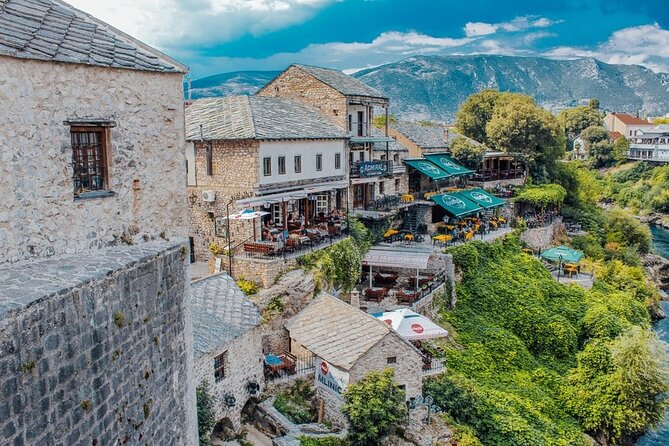
Blagaj is a short trip from Mostar and makes a peaceful morning stop. The town sits beneath a cliff beside the blue-green spring of the Buna River. Its Ottoman-era setting and dramatic natural surroundings provide a change from the denser urban visits of the first two days.
You have about an hour here, so expect an overview rather than a long independent exploration. The stop is valuable because it shows the relationship between water, religious buildings, and small Ottoman settlements in this part of the Balkans.
Later, you cross into Montenegro and reach Kotor, another UNESCO World Heritage site. The old town is a maze of narrow cobbled streets. Its confusing plan was intentional, designed to make it harder for attackers to navigate. Today, the same layout gives Kotor much of its charm, though it can be easy to lose your bearings.
You visit St. Luke’s Church, which has meaning for local ideas of religious unity. Plaques on old buildings explain former uses and construction dates, so keep your eyes above shop level as you walk.
The scheduled guided portion is about two hours, followed by free time. That is a smart arrangement in Kotor. You get a useful introduction, then room to explore at your own speed. The catch is that Kotor can feel crowded and highly commercial in its busiest periods, and the stone streets can be tiring after several days of walking.
A completely different way to spend a day in Dubrovnik:
- Blue Cave Small-Group Boat Tour from Dubrovnik
★ 5.0 · 9,360 reviews - Full-Day Dubrovnik Elaphite Islands Cruise with Lunch and Drinks
★ 5.0 · 8,823 reviews - Dubrovnik: Epic Game of Thrones Tour + Lokrum & Saver Option
★ 4.9 · 5,995 reviews - Dubrovnik: Elaphiti Islands Full-Day Cruise with Lunch
★ 5.0 · 5,938 reviews
Day 4: Montenegro’s coast, then Shkoder
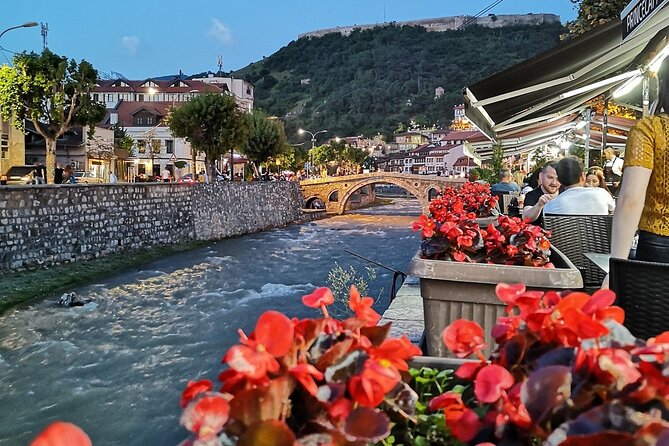
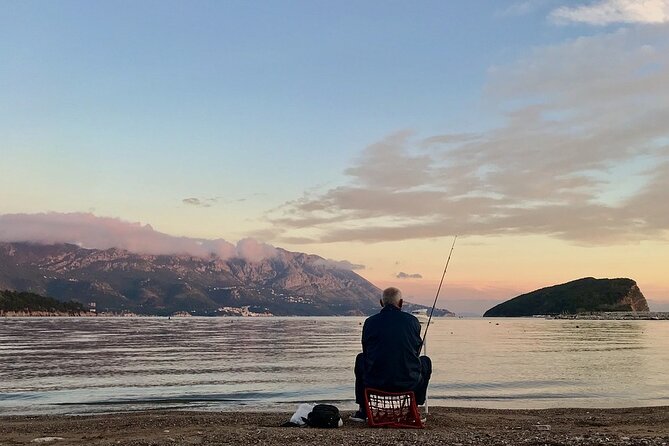
Budva gives you a short look at Montenegro’s best-known seaside resort. The old and new sections feel quite different. Modern Budva has offices, malls, restaurants, bars, and newer buildings, while the old center contains the historic churches and stone lanes.
The stop at Budva lasts about 30 minutes, followed by another 30 minutes at St. Ivan Church and nearby old-town sights. This is enough for orientation and photographs, not enough for a relaxed beach day. If you are hoping to swim or spend hours by the sea, this itinerary does not leave room for it.
You then stop near Sveti Stefan, a former fishing village on a small island. The island is now an exclusive residential resort and cannot be visited, but the coastal viewpoint still makes a worthwhile photo stop. The tour is honest about this limitation, which is useful when planning your expectations.
After crossing into Albania, you reach Shkoder. The city is one of Albania’s oldest settlements and lends its name to the Balkans’ largest lake. At Rozafa Castle, you get wide views over the lake and the point where three rivers run toward the Adriatic.
Shkoder also carries Venetian influence. The Venetian mask workshop offers a close look at hand-painted papier-mâché masks, from traditional carnival designs to newer artistic versions. You have about an hour at the factory. It is a more distinctive stop than another quick church visit, and it gives you a chance to buy a handmade item if you want a souvenir with a local connection.
Day 5: Farm food and Prizren’s old town
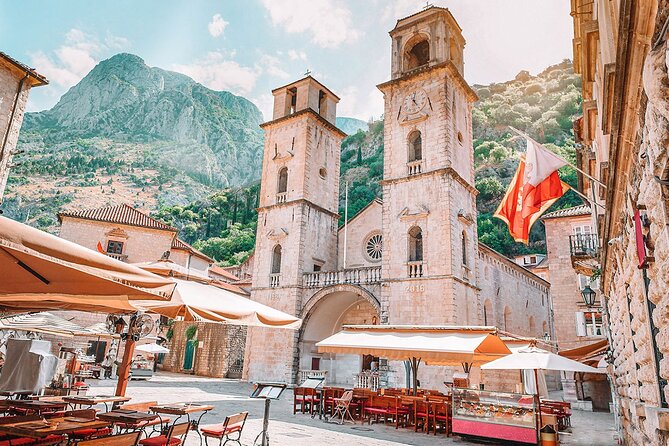
Mrizi i Zanave is one of the most unusual stops of the trip. This slow-food agricultural tourism farm works with regional organic products, collecting, preparing, and preserving food from the surrounding area.
You receive a farm tour and learn how the family adapted old communist buildings for storage. The project has created jobs for more than 400 people in the area, so the visit also shows how food production can support a rural community.
You have free time for a traditional lunch or for buying farm products. Lunch is not included, so budget for it separately. I would treat this as one of the better chances to spend money on something connected to the region rather than on a generic roadside meal.
In the afternoon, you continue to Prizren in Kosovo. The city is known for its Ottoman and Byzantine connections, religious tolerance, stone bridges, and river running through the old center. The one-hour walking visit takes you past medieval houses and local craft shops, including filigree work in precious metals.
Sinan Pasha Mosque receives a separate 30-minute visit. Its arabesque patterns and strong colors make it the most decorative religious building on this part of the route.
The Kalaja Fortress sits above town and takes about an hour. The climb rewards you with a broad view over Prizren, followed by free time. If your schedule allows, August is associated with Dokufest, an international short film festival. September is the month for Rahovec’s wine festival later in the route.
Day 6: Kosovo crafts, Deçan Monastery, and wine country
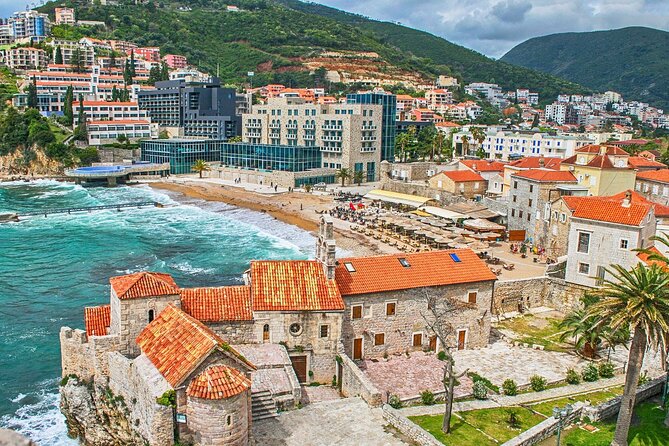
Gjakova is your first stop. Its bazaar is described as the oldest and largest in Kosovo, though its buildings have been destroyed and rebuilt several times through war and conflict. Today, the restored shops and artisan workshops give you a chance to see traditional crafts being made.
You have an hour, which is enough to walk the main area, browse handmade goods, and stop for a meal if time permits. Because lunch is not included, this can be a practical place to spend some of your food budget.
The Deçan Monastery follows. The white exterior is striking, but the main reason for the visit is inside: 14th-century frescoes showing religious scenes and everyday life, along with Byzantine painting from the Palaeologan Renaissance. Orthodox monks still live there and produce organic food such as cheese.
Religious sites can have entry rules or temporary restrictions, and the general tour conditions allow for changes caused by closures or other outside events. Follow the tour leader’s instructions and dress respectfully.
The final stop is Rahovec Valley, one of Kosovo’s main wine-producing areas. Grapes have been grown here since Illyrian times, and the vineyards sit on gently sloping hills between 350 and 520 meters above sea level. You have about an hour in the valley. The annual wine festival takes place each September, though festival attendance is not part of the standard tour.
This day has a slower cultural rhythm than the coastal section, but it is still full. Bazaar, monastery, and vineyard make a good trio for anyone who wants more than postcard views.
Day 7: Kruja and the story of Albanian resistance
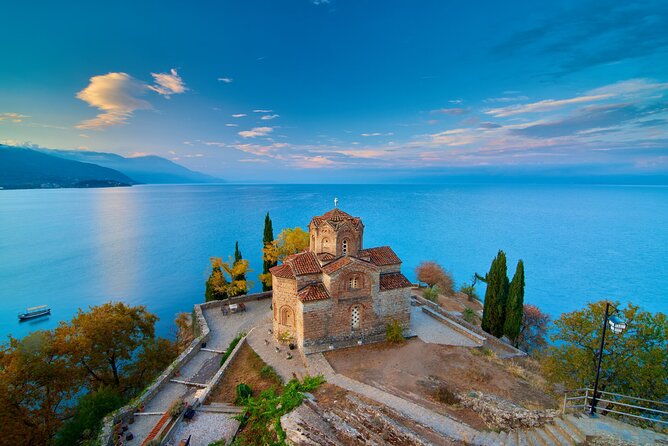
Kruja sits on rocky mountain terrain at about 560 meters above sea level. Its importance comes from Albanian resistance to Ottoman expansion in the 15th century, and the town’s position above the plains gives the visit a strong sense of place.
The medieval bazaar is the heart of the stop. Wooden houses and narrow lanes hold carpets, jewelry, and other handmade souvenirs. You get an hour to browse, so this is one of the best points in the trip for shopping, especially if you prefer locally made objects to mass-produced goods.
Kruja Castle takes another hour. The tour leader leads you through paths associated with local escape routes used when enemies surrounded the fortress. The site is not just a ruin to photograph. Its position and passageways help explain how the town functioned as a defensive center.
You then have free time for lunch, shopping, or simply sitting with the view. As elsewhere, lunch is extra. Kruja is a good place to slow down for a meal, but the schedule gives you only about an hour, so do not plan an elaborate restaurant stop unless your guide confirms the timing.
Day 8: Tirana through food and neighborhood markets
The final day is a food-focused introduction to Tirana. A local companion guides you through small food stops and markets, so come ready to eat rather than expecting a long list of monuments.
You begin with byrek, a thin pastry filled with choices such as cheese, meat, or spinach. The route continues through Çam Bazaar, where you can look for clothing, kitchen goods, produce, and other everyday items while bargaining with sellers.
The local market portion is useful because it shows ordinary city life rather than only formal attractions. You move through side streets and neighborhoods, seeing colorful buildings, seasonal fruit and vegetables, and the practical rhythm of shopping.
At Pazari i Ri, the New Bazaar, you sit down for a traditional Albanian meal made with regional ingredients. The day closes with a taste of Albanian grape raki. Food and drink are included for this tour, unlike most lunches and dinners elsewhere on the route.
The schedule lists two food-related Tirana stops that partly repeat the same description, so clarify the exact tasting plan with the operator before departure. The final food tour lasts about two hours, with another hour assigned to the market and byrek section.
What the $3,433.11 price really covers
The headline price is high for an eight-day shared trip, but it covers more than transport alone. Your package includes:
- Seven nights with breakfast
- 3-star hotel accommodation
- Shared double, twin, triple, or quadruple room pricing
- Company-provided transport
- Tour leader
- Dubrovnik Town pickup
- Tourist taxes, road taxes, and petrol
- Sarajevo coffee or tea
- Tirana food tour
- Seven breakfasts
You still pay for lunches, dinners, drinks, snacks, souvenirs, personal expenses, and anything not specifically listed. Admissions are included for selected stops such as Bišćevića Kuća, Latin Bridge, St. Ivan Church, the mask factory, Sinan Pasha Mosque, Kalaja Fortress, and Kruja Castle, but not every sight has a separate ticket.
The value depends on what you want to avoid organizing. Connecting five countries, arranging border-crossing transport, booking seven nights, and managing a changing route would take time and careful planning. The tour also gives you a leader who can explain context and help with day-to-day logistics.
The price is harder to justify if you prefer independent travel, stylish hotels, long meals, or several free days in each city. Since the rate is based on shared rooms, ask how the final cost changes for solo occupancy before paying.
Who should book this trip
I would choose this tour if you want a first look at the western Balkans and prefer having transport and border logistics handled for you. It suits active travelers who can manage uneven streets, early starts, and several hours of driving on some days.
It is also a good fit for people interested in food, local production, religious architecture, and recent history, not just famous viewpoints. The farm visit, mask workshop, vineyard, bazaars, and Tirana food tour give the route more character.
I would hesitate if you need a slow pace, dislike shared rooms, want guaranteed access to every listed site, or plan to spend most of your holiday beside the sea. The tour is non-refundable and cannot be changed after booking, so confirm your dates, room arrangement, passport requirements, and border plans before you commit.
FAQ
Where does the tour start?
The tour starts in Dubrovnik, Croatia, with pickup scheduled for 7:00 a.m.
Where does the tour end?
The tour ends in Tirana, Albania.
How long is the experience?
The trip lasts approximately eight days.
How many people can join?
The tour has a maximum of 10 people.
Is hotel pickup available in Dubrovnik?
Yes. A local driver picks you up from the nearest reachable point in Dubrovnik Town. Cars cannot enter some parts of town.
Is accommodation included?
Yes. The package includes accommodation and breakfast for all overnight stays. The price is based on double, twin, triple, or quadruple occupancy in 3-star hotels.
Are breakfasts included?
Yes. Seven breakfasts are included.
Are lunches and dinners included?
No. Lunches, dinners, drinks, and snacks are not included, except for the food provided as part of the Tirana food tour.
Is the tour offered in English?
Yes. The experience is offered in English and includes a professional tour leader.
Is the tour physically demanding?
You should have a moderate level of physical fitness. The Sarajevo visit includes uneven terrain, and several old towns, fortresses, and bazaars involve cobbled streets or hills.
Is the Sarajevo coffee included?
Yes. One Ottoman-style coffee or tea at Caffe Divan is included on Day 2.
Is the Tirana food tour included?
Yes. The Tirana food tour is included and features byrek, market food, a traditional Albanian meal, and Albanian grape raki.
Can I cancel for a refund?
No. The experience is non-refundable and cannot be changed for any reason after booking.
Should you book the Dubrovnik to Tirana tour?
Book it if you want a tightly planned introduction to several Balkan countries, value a small group, and like the idea of mixing major landmarks with food, crafts, vineyards, and local markets. The route is ambitious and culturally varied, with Mostar, Sarajevo, Kotor, Prizren, Kruja, and Tirana providing the main anchors.
Think twice if the price strains your budget or if you prefer to travel slowly. Before booking, confirm the room setup, expected driving times, assigned guide, border requirements, and the exact Tirana food schedule. If those details suit you, this is a practical way to connect Dubrovnik and Tirana without having to build the entire route yourself.
Newest reviews from Dubrovnik
- Dubrovnik: Private Tour to Montenegro – Kotor & Perast★ 5.0 · 3 reviews
- Walls of Liberty: A Self-Guided Audio Tour of Dubrovnik★ 3.5 · 3 reviews
- Korcula, Ston, Wine Tasting and Lunch – Tour from Dubrovnik★ 5.0 · 3 reviews
- Private Transfer Dubrovnik Airport to Dubrovnik★ 5.0 · 3 reviews
- From Dubrovnik Private tour to Korčula Island★ 3.7 · 3 reviews
- Private tours created by You from Dubrovnik region★ 5.0 · 3 reviews
- Dubrovnik History, Sweets & Liquors in a Private Palace★ 5.0 · 3 reviews
- Authentic private viewpoint wine&dine tour★ 5.0 · 3 reviews
Private, compared.
Mostar and Kravice Waterfalls Tour from Dubrovnik (Semi-Private)
Read our review →
Blue & Green Caves Private Boat Tour with Drinks
Read our review →
Dubrovnik Private Speedboat Tour to Elaphite Islands with Drinks
Read our review →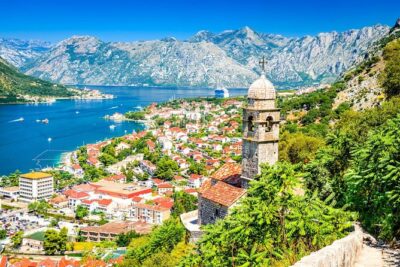
Private Tour: Montenegro Day Trip from Dubrovnik
Read our review →