
Reviewed · SIPAN & LOPUD ISLAND TOURS
Private Lopud Walking Tour
Lopud’s quiet promenade hides a surprising amount of history. In a short private walk, guide Ružica Rosy connects chapels, ruined homes, old hotels, gardens, and island legends that are easy to miss on your own.
I like the personal format, since Rosy can shape the walk around your questions. I also like the mix of art, local life, and botany, rather than a tour that only points at old stones. The main consideration is that several stops are exterior views, and the Lopud Museum has not opened to the public since the Homeland War.
In This Review
- Key points
- Why Lopud Works So Well on Foot
- Former Hotel Pracat and Lopud’s First Layer
- The Museum Square and a Sun Clock
- St. Jerome and the Chapel of the Crucified Redeemer
- A Ruined Noble Home and the Cost of Inheritance
- Park Dordic Mayineri, the Island’s Garden Pause
- St. Nicolas and the Island’s Sea Skills
- The Grand Hotel and the Island’s Changing Fortunes
- Finishing at the Port, Šunj, or a Sunset Viewpoint
- Rosy’s Guiding Style and the Private Format
- Is $33.72 a Fair Price?
- Who Should Book This Lopud Walk?
- Should You Book the Private Lopud Walking Tour?
- FAQ
- Where does the Private Lopud Walking Tour start?
- What time does the tour start?
- How long does the tour last?
- What language is the tour offered in?
- Is this a private tour?
- Who leads the tour?
- Is hotel pickup included?
- Is the Lopud Museum open during the tour?
- Does the tour include food or drinks?
- Can the tour finish at Šunj beach?
- Can I cancel for a full refund?
Key points
- Rosy leads a private walk: Your group receives the guide’s full attention, with room for questions and a custom route.
- The old promenade tells many stories: Former hotels, chapels, noble homes, and gardens reveal Lopud’s changing fortunes.
- The Museum stop is outdoors: You learn about the building and its sun clock, but the museum itself is not open to visitors.
- Churches anchor the tour: St. Jerome, the Chapel of the Crucified Redeemer, and St. Nicolas add art, faith, and island history.
- The walk can continue beyond the core sights: You may finish toward Šunj beach, choose lunch or swimming, or arrange a taxi back.
- The price is modest for a private guide: At $33.72 per person, the value improves when shared by several people in your party.
Why Lopud Works So Well on Foot
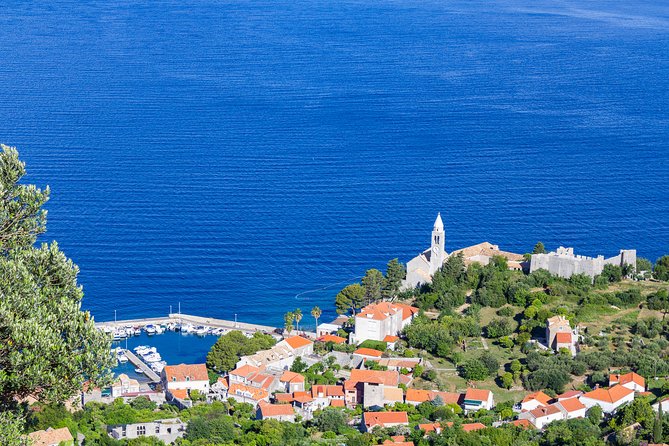
Lopud is one of the Elaphiti Islands near Dubrovnik, but this experience is not a broad island excursion with a packed schedule. It is a slower look at the settlement, using the promenade and nearby sights as a thread through centuries of island life.
That matters because Lopud’s appeal is easy to underestimate. You can walk past a handsome facade, a shuttered museum, or a weathered chapel and see only an attractive old building. Rosy’s role is to explain who built it, why it mattered, and what happened later.
The tour is private, offered in English, and lasts about one to two hours. The advertised route includes roughly 35 minutes at the first group of sights and about an hour at the second, though the total length can vary with questions, pace, and the chosen finish.
You meet at Villa Vilina on Obala Ivana Kuljevana at 9:00 a.m. The stated end point is Lopud’s old port, while the final section may be adjusted toward Šunj beach. If you want to swim, eat lunch, or return by taxi, discuss that preference with the guide.
More Sipan and Lopud island days:
- Blue Cave, Green Cave & Lopud Beach small group Speed boat Tour
★ 5.0 · 2,572 reviews - From Dubrovnik: Boat Tour to Kolocep, Lopud, & Sipan Islands
★ 4.8 · 369 reviews - From Dubrovnik: Hiking & Swimming on Koločep Island Day Trip
★ 4.9 · 38 reviews
Former Hotel Pracat and Lopud’s First Layer
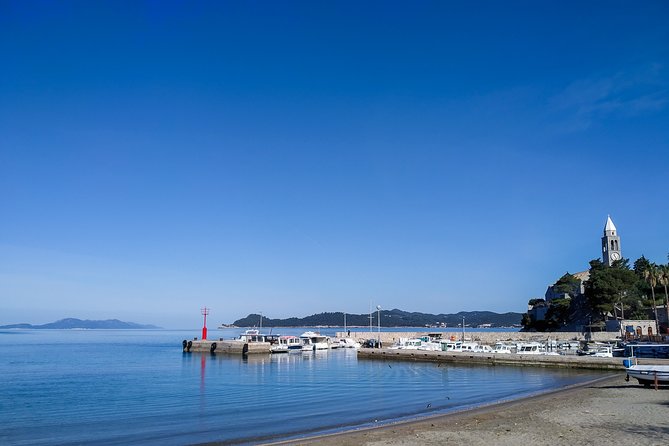
The walk begins along the promenade at the former Hotel Pracat. The building was constructed on top of a ninth-century chapel, giving you an immediate reminder that Lopud’s visible buildings often sit on older foundations.
Only about five minutes are planned here, but the stop sets up one of the tour’s recurring themes: Lopud is a place where fact and local legend overlap. The hotel has inspired several stories, and Rosy uses them to show how residents have remembered the island’s past.
This is a good opening stop for anyone who likes social history. You are not simply looking at a hotel as a piece of architecture. You are considering how a building can change purpose and how old religious sites remain part of later island life.
The short timing also keeps the walk moving. If you prefer a detailed architectural inspection at every stop, the schedule may feel brisk. If you want a clear introduction before exploring on your own, it works well.
The Museum Square and a Sun Clock
The next stop is the square in front of the Lopud Museum. The museum has been closed to the public since the Homeland War, so you should not book this walk expecting an indoor collection or a long gallery visit.
That limitation is worth knowing in advance. The value here comes from the explanation outside the building, not from viewing exhibits. Rosy also shows you how to use an old sun clock, a small practical detail that gives the stop some charm.
The sun clock is more than a quirky curiosity. It offers a simple way to think about how people measured time before modern devices became part of daily life. It is also the kind of detail that can make a walking tour feel personal rather than routine.
If you have children or enjoy hands-on historical details, this may be one of the more memorable moments. If you mainly want museums with open interiors, this stop will feel limited.
St. Jerome and the Chapel of the Crucified Redeemer
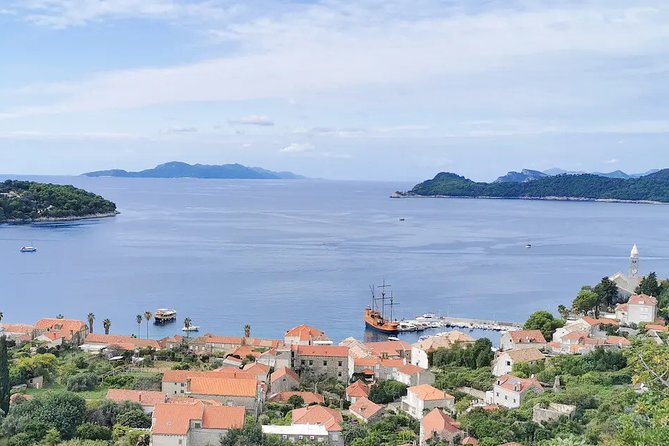
Further along the promenade, the route pauses at the seventeenth-century Chapel of St. Jerome. The chapel is presented as an example of how wealthy Lopud residents spent their money, which gives the building a social context beyond its religious purpose.
This is a useful lens for reading Lopud. Churches and chapels were places of worship, but they also expressed family status, artistic taste, and civic influence. A short explanation can help you notice the relationship between private wealth and public religious buildings.
The next stop is the Chapel of the Crucified Redeemer. The tour connects this church with Miho Pracat, a major figure in Lopud’s story, and the many tales surrounding its construction.
The chapel still plays a role in Catholic life on the island. That living connection matters. You are not looking at a monument separated from the community, but at a place that remains part of local religious practice.
Both stops are short, around five to seven minutes each. You will likely spend more time listening than entering or inspecting every detail. The tour is strongest here when you ask questions about the people behind the buildings.
More walking tours in Dubrovnik:
- Dubrovnik: Old Town Walking Tour
★ 4.8 · 5,174 reviews - Dubrovnik Discovery Old Town Walking Tour
★ 5.0 · 4,458 reviews - Dubrovnik: Game of Thrones Walking Tour
★ 5.0 · 1,732 reviews - Dubrovnik Old Town History Walking Tour
★ 5.0 · 1,684 reviews
A Ruined Noble Home and the Cost of Inheritance
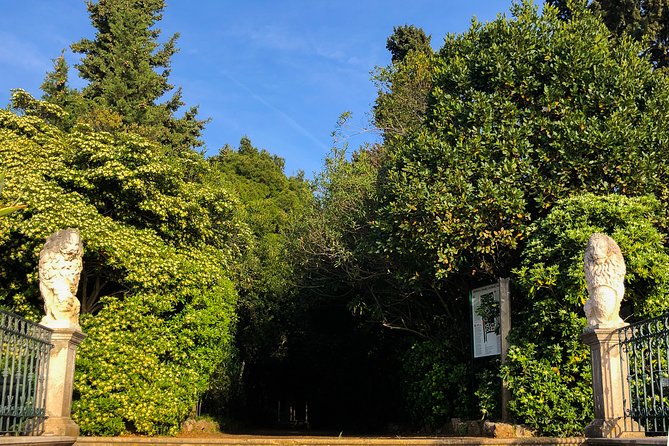
The House of Zamanja Pavlina offers a different kind of lesson. Instead of a polished church or restored hotel, you see a ruined home linked to wealthy families and nobles of Lopud.
The explanation focuses on family life and inheritance. The house reportedly declined because of the large number of inheritors, a useful reminder that grand homes can be difficult to preserve when ownership becomes divided over generations.
I like this stop because it adds an honest note to the island story. Wealth can create fine buildings, but it does not guarantee their survival. A ruin can tell you as much about family structure and changing fortunes as a well-kept facade.
Allow only about three minutes here in the planned schedule. You will not receive an extended architectural survey, and the condition of the building may disappoint anyone expecting a restored palace. Its value is in the story and in the contrast with Lopud’s more admired monuments.
Park Dordic Mayineri, the Island’s Garden Pause
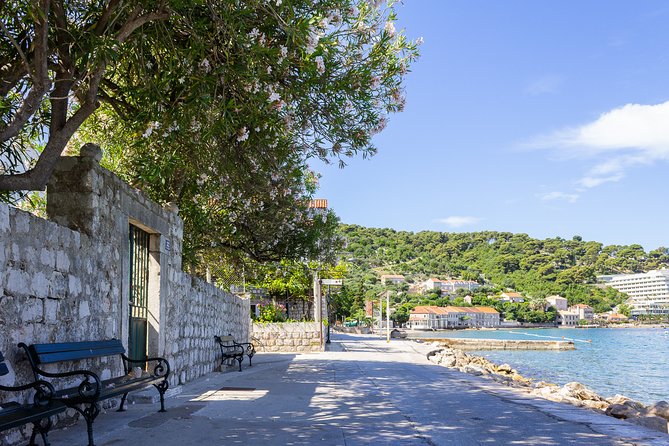
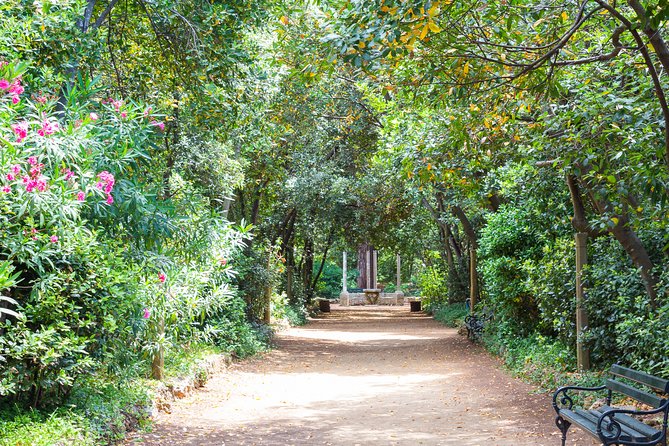
Park Dordic Mayineri is described as a park of love, with a garden shaped by changing ideas from the nineteenth and twentieth centuries. The planned stop is about fifteen minutes, making it one of the longer pauses on the walk.
This is where the tour broadens beyond buildings. You can consider how gardens reflect taste, romance, status, and changing cultural fashions. The park’s eclectic character suggests that it is best understood as a collection of influences rather than a single, tidy design.
The garden stop also gives the walking pace some relief. After several chapels and historic houses, a green space lets you look around without focusing only on masonry and dates.
The available information does not promise a formal botanical collection or extensive plant identification. Expect a historical and visual discussion of the park rather than a specialist gardening tour. If plants and garden design interest you, tell Rosy early so she can give that part more attention.
St. Nicolas and the Island’s Sea Skills
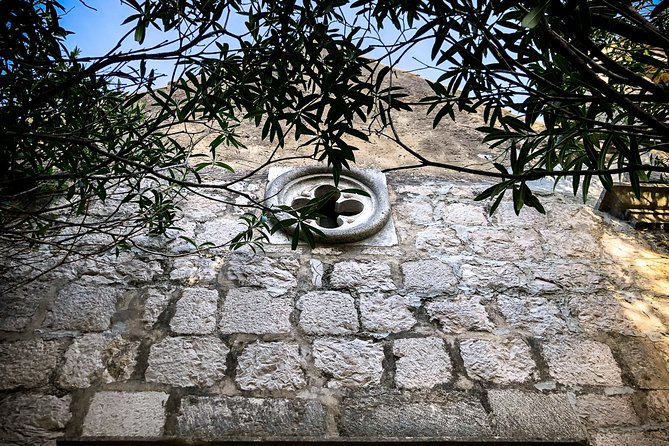
The Church of St. Nicolas is one of the central sights on the route. It was built in the fifteenth century and is described as a Dominican church with notable artistic value.
The church also connects to education and seamanship. The story includes islanders reading their first book there and learning skills needed to navigate the sea. That link helps explain Lopud as a maritime community, not only a resort or a picturesque island village.
You may encounter the church in two itinerary descriptions, but it refers to the same important site. Plan for about ten minutes here. The guide’s interpretation is likely to be more useful than a quick photograph, especially if you want to understand how religious institutions supported learning and daily life.
As with the other religious stops, confirm at the start how much of the church can be entered or viewed. The supplied details promise the stop and its stories, but they do not guarantee a particular interior access arrangement.
The Grand Hotel and the Island’s Changing Fortunes
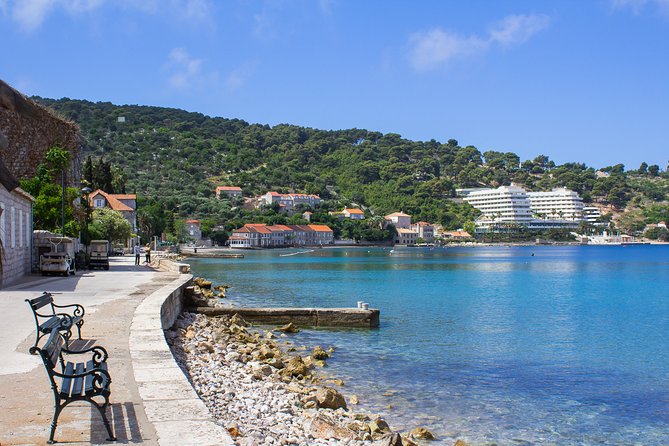
The Grand Hotel provides another look at Lopud’s social and economic life. The stop lasts about ten minutes and explores the hotel’s influence on island residents and their everyday routines.
This is a valuable contrast with the earlier churches and noble houses. Hotels show how Lopud changed as tourism became part of island life. They also reveal how outside visitors can affect work, habits, expectations, and the shape of a community.
The tour does not present the Grand Hotel as an isolated architectural curiosity. Its importance comes from the relationship between the building and the people who lived around it. You get a clearer sense of how a small island adapts when its economy begins to rely on visitors.
If you are interested in the history of tourism, this may be one of the strongest parts of the walk. If you want a purely religious or art-focused route, make that clear when arranging the private program.
Finishing at the Port, Šunj, or a Sunset Viewpoint
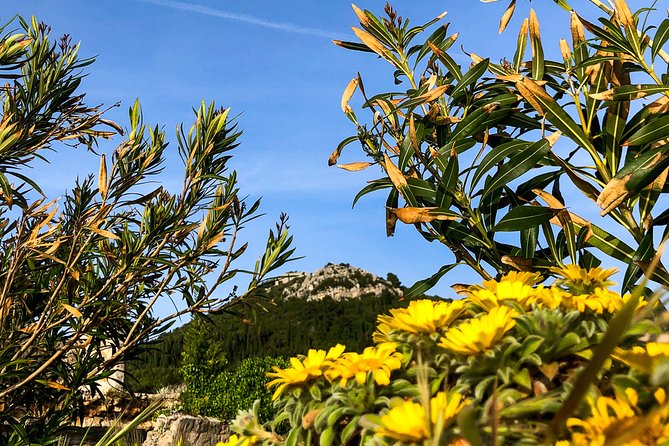
The stated end is Lopud’s old port, but the route can also continue toward Šunj beach according to your preferences. You may choose to swim, have lunch at one of the restaurants, or take a taxi back to the village.
That flexibility is one of the tour’s best practical features. A morning walk can become the first part of a longer beach day, and you do not have to treat the final stop as a hard endpoint.
Some groups have also taken variations of the route toward Ponta and watched the sunset there. That is not the fixed core of the advertised morning program, so you should ask Rosy in advance if a sunset finish matters to you. The same applies to starting at another accommodation, such as Lafodia hotel. A pickup or adjusted start can be arranged upon request from the mainland or other Elaphiti Islands.
The route’s flexibility means you should clarify your priorities before setting out. Do you want the main historical sights, more time for gardens, an art-focused walk, a beach finish, or local advice about getting around? A private guide can respond better when you provide a clear preference.
Rosy’s Guiding Style and the Private Format
Ružica, known as Rosy, is a licensed local guide and art historian. Her background suits this route because Lopud’s sights call for more than dates. You need someone who can connect architecture, church art, family stories, local customs, food culture, and present-day life in Croatia.
The strongest praise centers on her ability to answer detailed questions while keeping the walk relaxed. One academic visitor with wide-ranging interests found that Rosy could adapt the experience to those questions, while still keeping the stroll pleasant and easygoing.
That is exactly where a private tour earns its keep. You can stop to ask about a family name, a church detail, a garden, or island life without holding up a bus full of people. Rosy can also adjust the emphasis to suit your group.
The experience may include her dog Chichita on some walks. That detail appears in several personal accounts, but it should not be treated as a guaranteed feature. Ask if it matters to you.
The published score is 5 out of 5 from 10 ratings, with all listed participants recommending the experience. That is a small sample, so I would not treat it as statistical proof. Still, the consistent praise for Rosy’s warmth, flexibility, and storytelling points to the part of the experience most likely to shape your day.
Is $33.72 a Fair Price?
At $33.72 per person, the price is reasonable for a private walking tour, especially if you are traveling with several people and the guide can tailor the route to your interests. It includes an English-speaking licensed local guide, a custom-made program, tour organization, and an extended look at Lopud’s main historical, artistic, and botanical sights.
It does not include food, drinks, or pickup. Transport from the mainland or another Elaphiti Island can be arranged on request, but you should confirm the cost before booking or setting out.
The value is not in admission tickets, since the listed stops are free. You are paying for interpretation, local context, planning, and the chance to ask questions. If you would otherwise walk past the buildings without understanding them, that service can make the price worthwhile.
For a solo visitor, the per-person cost may feel less attractive. For a family or small group, it becomes easier to justify. The private format is also useful if your party includes people with different interests, since the route can be adjusted instead of following a fixed group script.
Who Should Book This Lopud Walk?
I would choose this tour if you want to understand Lopud before spending the rest of the day swimming, eating, or wandering on your own. It is especially well suited to:
- First-time visitors who want a clear introduction to the island
- People interested in church art, architecture, and local families
- Researchers, students, and curious adults who like asking detailed questions
- Couples or small groups who prefer a private pace
- Visitors who want help linking the historic village with Šunj beach or Ponta
- Anyone who has visited Lopud before but feels they only saw the surface
You may want something else if you need a full indoor museum visit, a long beach excursion, or a highly structured tour with guaranteed access inside every church. The museum is closed to the public, and several stops are brief exterior explanations.
The route is described as suitable for most participants, with service animals allowed and public transport nearby. It requires good weather. If conditions are poor, the experience can be moved to another date or refunded.
Should You Book the Private Lopud Walking Tour?
Book it if you want Lopud to feel like a lived-in island rather than a pretty stop between boat rides. The churches, ruined noble house, old hotels, and garden are far more useful when connected by a local voice, and Rosy’s flexible style suits people who like to ask questions.
The best plan is to take the walk early, then decide how to use the rest of your day. Ask about a Šunj beach finish, lunch, swimming, Ponta, or a different starting point when you arrange the tour. At $33.72 per person, it offers solid value for a private introduction, provided you understand that the museum is closed and the experience focuses on outdoor sights and storytelling.
FAQ
Where does the Private Lopud Walking Tour start?
The tour starts at Villa Vilina, Obala Ivana Kuljevana 5, 20222 Lopud, Croatia.
What time does the tour start?
The stated start time is 9:00 a.m.
How long does the tour last?
The experience lasts approximately one to two hours.
What language is the tour offered in?
The tour is offered in English.
Is this a private tour?
Yes. Only your group participates in the activity.
Who leads the tour?
The tour is led by Ružica Rosy, an English-speaking licensed local guide and art historian.
Is hotel pickup included?
Pickup is not included, but it can be arranged upon request from the mainland and other Elaphiti Islands.
Is the Lopud Museum open during the tour?
The Lopud Museum has not been open to the public since the Homeland War. The tour visits the square in front of it and includes information about the building and its sun clock.
Does the tour include food or drinks?
No. Food and beverages are not included.
Can the tour finish at Šunj beach?
The stated end point is Lopud’s old port, but the walk can continue toward Šunj beach according to your preferences. You can choose to swim, eat at a restaurant, or take a taxi back to the village.
Can I cancel for a full refund?
Yes, if you cancel at least 24 hours before the experience’s start time. Cancellations or changes made less than 24 hours in advance are not refunded or accepted. If poor weather causes the tour to be canceled, you are offered another date or a full refund.
Newest reviews from Dubrovnik
- Dubrovnik: Private Tour to Montenegro – Kotor & Perast★ 5.0 · 3 reviews
- Walls of Liberty: A Self-Guided Audio Tour of Dubrovnik★ 3.5 · 3 reviews
- Korcula, Ston, Wine Tasting and Lunch – Tour from Dubrovnik★ 5.0 · 3 reviews
- Private Transfer Dubrovnik Airport to Dubrovnik★ 5.0 · 3 reviews
- From Dubrovnik Private tour to Korčula Island★ 3.7 · 3 reviews
- Private tours created by You from Dubrovnik region★ 5.0 · 3 reviews
- Dubrovnik History, Sweets & Liquors in a Private Palace★ 5.0 · 3 reviews
- Authentic private viewpoint wine&dine tour★ 5.0 · 3 reviews
Sipan & Lopud Island Tours, compared.
Blue Cave, Green Cave & Lopud Beach small group Speed boat Tour
Read our review →

Sea Kayaking and Snorkeling to Green Cave on Sipan island from Lopud
Read our review →
Blue Cave-Green caves-Lopud Sandy beach – tour with drink
Read our review →
Kolocep Island Hiking and Swimming Full Day Trip from Dubrovnik
Read our review →
Guided Kayaking and Snorkeling Tour to Green Cave and Sipan Island from Lopud
Read our review →Browse the lists this tour appears in