
Reviewed · COOKING CLASSES
Authentic Garden to Table Cooking Class in Dubrovnik Countryside
At Kameni Dvori, cooking begins in the garden, not with a printed recipe. You knead your own bread, collect vegetables and eggs, and may even milk a goat before sitting down to a Croatian meal made with what the homestead provides. The family compound has been held by the same family since the 1500s.
I like the hands-on work and the warm family setting, especially the chance to learn about olive oil, wine, gardens, and rural life in Konavle. I also like that the menu changes with the season rather than pretending every day is the same. The main consideration is price: at $208 per person, this is a full half-day food and culture experience, not a quick lesson.
In This Review
- Key points at a glance
- Why this is more than a Dubrovnik cooking lesson
- From Dubrovnik to Lovorno
- Kneading bread the old-fashioned way
- A garden tour with a purpose
- What may appear on the table
- Family stories between courses
- The meal is the payoff, not an afterthought
- Is $208 a fair price?
- Who will enjoy this most?
- Practical details before you reserve
- Should you book Kameni Dvori?
- FAQ
- Where does the cooking class take place?
- Is pickup available from Dubrovnik?
- How long does the experience last?
- What language is the class offered in?
- How many people can join the class?
- Is the menu fixed?
- Can dietary restrictions be accommodated?
- Can I cancel for a full refund?
Key points at a glance
- A 500-year family homestead: Kameni Dvori offers a window into Konavle family life and Croatian heritage.
- You make the bread yourself: Each person kneads dough using a traditional recipe.
- The garden supplies the kitchen: You collect seasonal produce, gather eggs, and may milk a goat if dessert uses milk.
- A real meal follows the work: Expect homemade bread, cheese, cured meat, vegetables, a seasonal main course, dessert, and local wine.
- Small-group format: The maximum is eight people, with pickup available from Dubrovnik.
- Flexible dietary choices: Vegetarian, vegan, and gluten-free meals can be arranged, along with other dietary restrictions.
Why this is more than a Dubrovnik cooking lesson
Most food classes begin in a kitchen. This one starts with the place that feeds it. After arriving at the holiday village in Lovorno, in the Konavle countryside, you receive a welcome drink and an outline of the day. Then the work begins.
Konavle is a rural area south of Dubrovnik, and this setting gives the class a useful sense of place. You are not simply learning how to reproduce a Croatian dish in a rented studio. You are seeing where the ingredients grow, how the family uses them, and how food connects to work, land, and family tradition.
That matters because Croatian cooking is often simple on paper. Fresh vegetables, olive oil, bread, meat, pasta, wine, and herbs may not sound exotic. The quality comes from the ingredients and the care given to them. At Kameni Dvori, you get to see that process instead of hearing a short explanation after the meal.
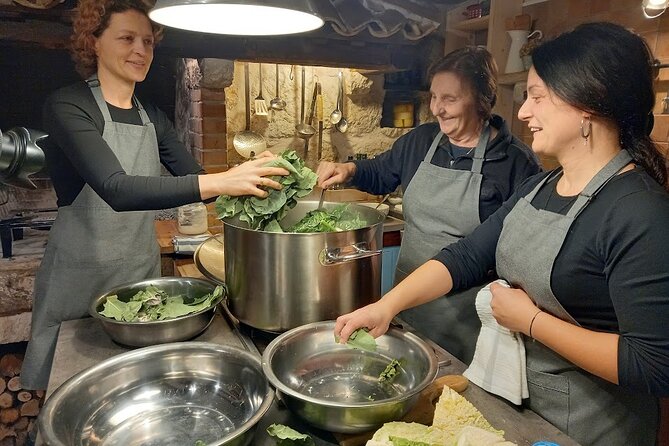
The family setting is also a major part of the experience. Ivo has shared the family tree and stories connected to the property, while Katarina has welcomed people and provided background about the area. Depending on the day, you may work with several members of the multigenerational family, including a mother and daughter team.
More cooking classes in Dubrovnik:
- Traditional Cooking Class in Dubrovnik Countryside
★ 5.0 · 168 reviews - Traditional Dalmatian Cooking Class from Dubrovnik
★ 5.0 · 49 reviews - Croatian Traditional Cuisine: Peka Cooking Lesson
★ 5.0 · 10 reviews
From Dubrovnik to Lovorno
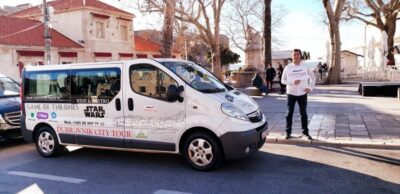
Pickup is offered from Dubrovnik, and the vehicles accommodate three, seven, or eight occupants. Look for a vehicle marked Cooking class. If you need a child’s chair or have a special transfer request, contact the provider ahead of time.
The drive is not just dead time. Ivo has provided a short history lesson on the way to the homestead, and Katarina has talked about her family and the surrounding area during the ride. Still, pickup details can vary, so you should confirm your exact pickup point when booking, particularly if you are staying near the Old Town.
The meeting point is Kameni Dvori, Holiday Village Konavle, Lovorno 11, Gruda. The activity returns there at the end, with the included pickup arrangement bringing you back according to the agreed plan.
The five-hour duration is worth noting. This is not a class you squeeze between a morning walking tour and an afternoon boat trip. Allow the better part of a day. The relaxed pace is part of the value, but it also means you should not plan a tight follow-up appointment.
Kneading bread the old-fashioned way
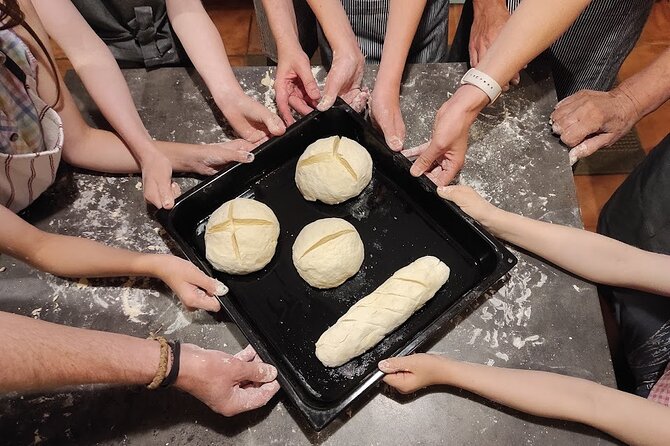
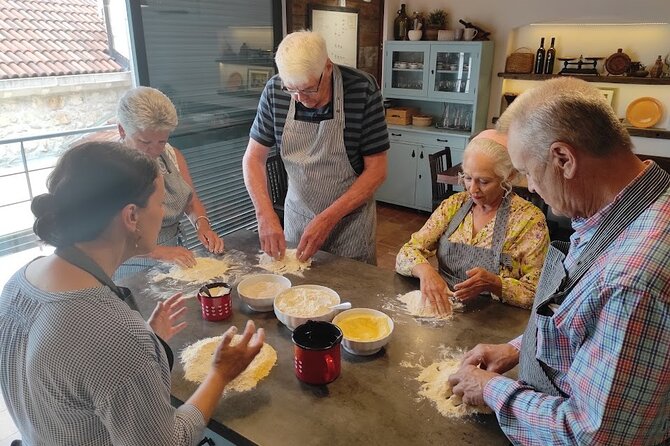
The first cooking task is homemade bread. Each participant kneads an individual loaf using a traditional recipe. This is a small but effective way to settle into the experience because you are doing something practical right away.
Bread also gives you a useful lesson in timing. You prepare the dough, then leave it to work while you tour the property and gather ingredients. That rhythm feels closer to home cooking than to a demonstration where everything is prepared in advance.
Do not expect a formal classroom with numbered workstations and a chef standing at the front. The appeal is personal instruction and participation. You will likely get guidance as you work, but the activity is designed around doing, touching, preparing, and eating.
A garden tour with a purpose
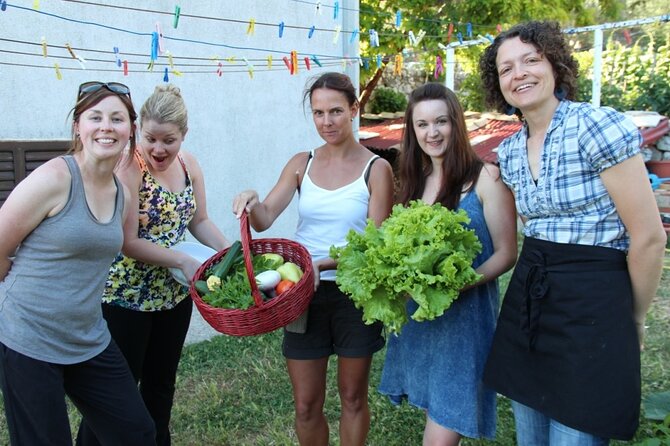
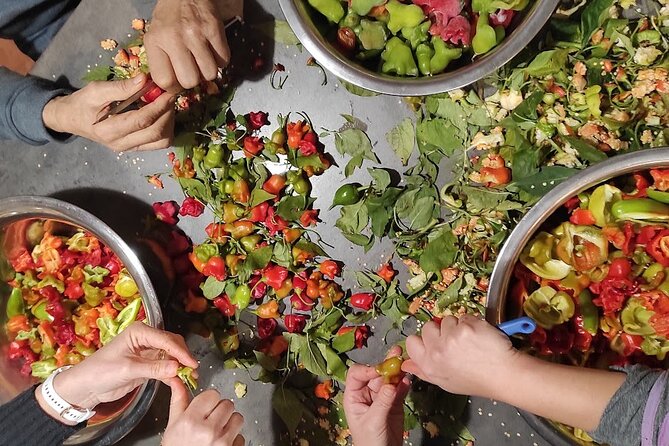
After the bread, you visit the garden. The host explains how the family grows its produce, and you help collect what is needed for the meal. You may gather vegetables, pick fruit, and collect fresh eggs. The available ingredients depend on the season, so the exact menu is not fixed.
That changing menu is one of the best features. In spring, summer, and autumn, the garden will not offer the same selection, and a good farm meal should reflect that. You should book this experience expecting a style of food rather than a guaranteed list of every dish.
The property also produces homemade olive oil and wine, and the garden includes fruit trees. The visit helps explain why the food tastes connected to its setting. You are not just told that the meal is local. You see the garden, meet the people who maintain it, and use some of what is grown there.
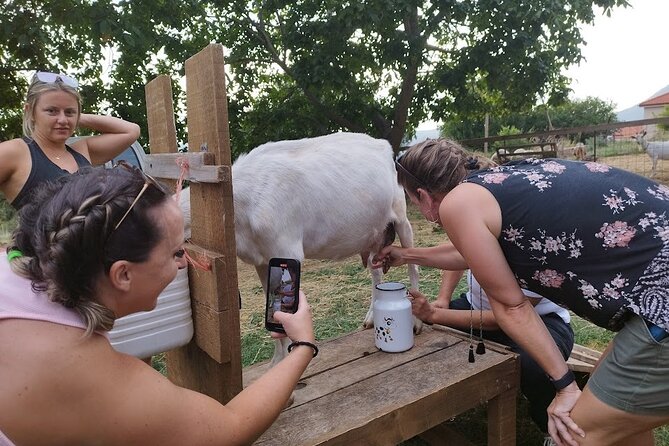
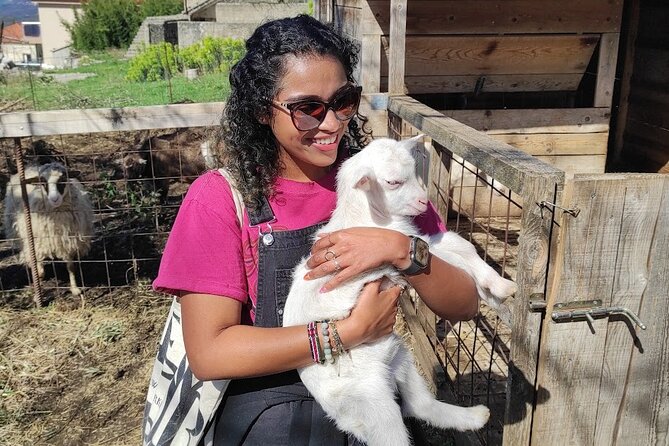
Fresh eggs are part of the process, and if the dessert includes milk, the host may offer a chance to milk a goat. That is a memorable detail, especially for children and anyone who has never handled the everyday work behind a rural meal. It is also optional in the sense that it depends on the dessert and the day’s arrangements.
More Dubrovnik tours worth comparing
- Dubrovnik: Local Wine, Dine and Design Workshop
★ 4.8 · 10 reviews - Local Paint and Wine Workshop: A Unique Creative Experience
★ 5.0 · 6 reviews - Half-Day Cooking Workshop Gastronomy in Korcula
★ 5.0 · 6 reviews - Rock Climbing Lesson in Dubrovnik
★ 5.0 · 5 reviews
What may appear on the table
The sample menu gives you a good idea of the meal’s scale. It begins with cured meat and homemade cheese, served with warm bread, pickled vegetables, spreads, and homemade olive oil.
A sample main course is Lovorno skewer, pork cooked on bay leaf branches and served with country-style potatoes, boiled vegetables dressed with homemade olive oil, and a seasonal salad. The bay leaf branches are a particularly local touch, turning a basic skewer into something tied to the family’s cooking method.
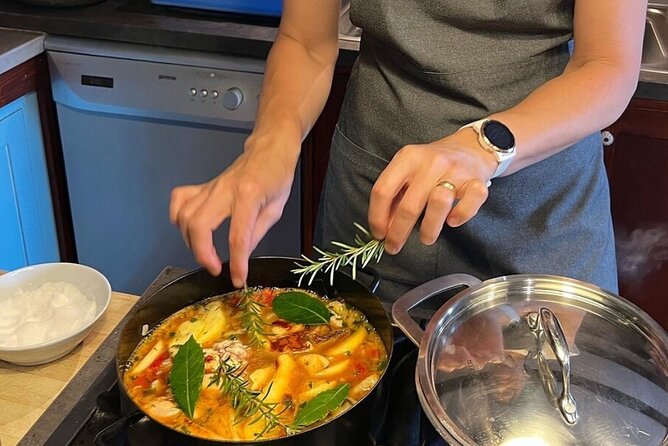
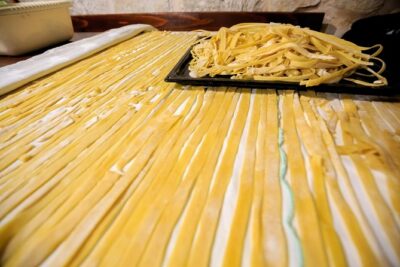
Another possible main is farm-grown chicken stew. It is prepared with fresh vegetables and fruit, cooked with wine, and served with homemade pasta. That combination shows the broader character of the class: familiar ingredients, careful cooking, and a balance between savory food, fruit, wine, and herbs.
Dessert may be Grandma’s cake. If milk is part of the recipe, the goat-milking activity may be included. The name suggests a family recipe, but you should not expect the exact dessert or main dish to be guaranteed. The garden and season control the menu.
The meal is served with homemade red or white wine. This is not a tasting flight built around technical wine language. It is a chance to drink the family’s own wine with food prepared on the property, which is a much more useful introduction to local table customs.
Family stories between courses
While the food cooks, the hosts present stories from a family tree reaching back around 500 years. The property has remained with the family for 15 generations, according to the family’s account, and several generations now help with the experience.
This part gives the cooking a human frame. You are not only learning how to make bread or stew. You are hearing how a place can remain connected to one family across centuries, and how that past still affects daily work.
The storytelling also makes the class feel less rushed. If you prefer a tightly timed lesson with a recipe card and a fixed finish, the informal pace may test your patience. If you enjoy conversation at the table, it is one of the strongest reasons to choose this outing over a standard city cooking class.
One especially ambitious version of the day has included a countryside bicycle ride, wine sampling at a relative’s vineyard, and a stop for cheese and cured meats before returning for lunch. That cycling addition is not part of the stated standard program, so do not book expecting it. It shows, however, that the family can sometimes build a broader countryside experience around the cooking visit.
The meal is the payoff, not an afterthought
Once the dishes are ready, you sit down to eat what you helped prepare. This changes the feel of the meal. The bread is not just bread, the vegetables are not just a side dish, and the stew is not just something placed before you by a restaurant server. You have seen the ingredients, handled the dough, and followed the food from garden to table.
The hospitality is central. The family works together, and that can include Ivo, Katarina, their relatives, and younger family members. The setting is warm and personal rather than polished for mass tourism.
That personal style is a strength, but it comes with a small tradeoff. The experience may feel different from one date to another because the menu, host, and pace depend on the season and family availability. I would choose it for the setting and contact with the family, not for a precise chef-led curriculum.
Is $208 a fair price?
At $208 per person, this is expensive compared with a short cooking demonstration. The price makes more sense when you count what is included: roughly five hours, Dubrovnik-area pickup, a garden visit, bread making, ingredient gathering, possible goat milking, cultural storytelling, a substantial meal, and homemade wine.
You are also paying for a small group, capped at eight people. That matters. A tiny group gives you a better chance to knead your own dough, ask questions, work in the garden, and speak with the family. For a couple or a small family that values personal contact, the price can be reasonable as a full countryside outing.
The value is weaker if you only want to learn one or two recipes. It is also less attractive if your main goal is a formal culinary lesson with detailed written instruction. The strongest return comes from combining food, rural culture, family history, and transport into one half-day.
The experience is booked an average of 132 days in advance, which is a strong sign that you should reserve early, especially during the busy Dubrovnik season. Confirmation is normally provided at booking, though reservations made within two days of the date may be confirmed within 48 hours and remain subject to availability.
Who will enjoy this most?
I would recommend this for people who want a break from Dubrovnik’s crowded sights and enjoy meeting local families. It fits couples, families, and small groups looking for a relaxed day with real participation.
Children may especially enjoy kneading bread, gathering eggs, seeing the garden, and possibly milking a goat. Ask about a child’s chair before arrival if needed.
Food-focused visitors will appreciate the homemade cheese, cured meat, olive oil, wine, pasta, vegetables, and seasonal cooking. The experience also suits anyone interested in sustainable food production, since the ingredients come from the homestead or a local family farm.
You should think twice if you dislike changing menus, informal instruction, long meals, or rural settings. This is not the right choice for someone who wants a quick activity close to Dubrovnik’s Old Town.
Vegetarian, vegan, and gluten-free meals are available. Other dietary restrictions can also be accommodated, but you should explain them when booking rather than waiting until the cooking begins.
Practical details before you reserve
The tour is offered in English and includes a mobile ticket. Service animals are allowed. The activity ends back at the meeting point, with pickup arrangements available through vehicles for three, seven, or eight occupants.
Free cancellation is available up to 24 hours before the start time for a full refund. Changes or cancellations made less than 24 hours before the start are not accepted for a refund, and the cut-off uses local time.
Wear something comfortable for kitchen work and garden walking. The supplied information does not set a dress code, but you should choose clothes that can handle flour, food preparation, and outdoor activity.
Because the menu depends on the garden, do not fixate on the sample dishes. The important promise is the process: fresh seasonal food, traditional preparation, family hospitality, and a meal shared at the homestead.
Should you book Kameni Dvori?
Book it if you want to replace a standard sightseeing block with food, conversation, and countryside life. The best parts are the family’s long connection to the property, the chance to gather ingredients yourself, and the generous meal that follows.
I would not choose it solely for recipe instruction, and I would compare the $208 price with your total Dubrovnik budget. But for a small group that values personal contact and a slower day away from the city, this is one of the more distinctive food experiences in the Dubrovnik area. Reserve early, state dietary needs clearly, and arrive ready to work before you eat.
FAQ
Where does the cooking class take place?
It takes place at Kameni Dvori, Holiday Village Konavle, Lovorno 11, 20215 Gruda, Croatia.
Is pickup available from Dubrovnik?
Yes. Pickup is offered, and the vehicles accommodate three, seven, or eight occupants. The vehicles display the sign Cooking class.
How long does the experience last?
The activity lasts approximately five hours and ends back at the meeting point.
What language is the class offered in?
The experience is offered in English.
How many people can join the class?
The maximum group size is eight people.
Is the menu fixed?
No. The dishes depend on the season and the ingredients available in the garden. The sample menu includes cured meat, homemade cheese, bread, vegetables, a Lovorno skewer or chicken stew, dessert, and homemade wine.
Can dietary restrictions be accommodated?
Yes. Vegan, vegetarian, and gluten-free meals are available, and the provider can accommodate flexible dietary restrictions. Share your needs when booking.
Can I cancel for a full refund?
Yes. You can cancel at least 24 hours before the experience start time for a full refund. Cancellations or changes made less than 24 hours before the start are not accepted for a refund.
Newest reviews from Dubrovnik
- Dubrovnik: Private Tour to Montenegro – Kotor & Perast★ 5.0 · 3 reviews
- Walls of Liberty: A Self-Guided Audio Tour of Dubrovnik★ 3.5 · 3 reviews
- Korcula, Ston, Wine Tasting and Lunch – Tour from Dubrovnik★ 5.0 · 3 reviews
- Private Transfer Dubrovnik Airport to Dubrovnik★ 5.0 · 3 reviews
- From Dubrovnik Private tour to Korčula Island★ 3.7 · 3 reviews
- Dubrovnik History, Sweets & Liquors in a Private Palace★ 5.0 · 3 reviews
- Private tours created by You from Dubrovnik region★ 5.0 · 3 reviews
- Dubrovnik: Game of Thrones Walking, Car and Boat Tour★ 5.0 · 3 reviews
Cooking Classes, compared.
Traditional Cooking Class in Dubrovnik Countryside
Read our review →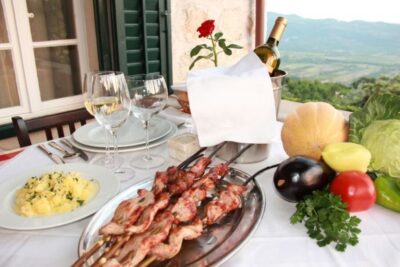
Traditional Dalmatian Cooking Class from Dubrovnik
Read our review →
Croatian Traditional Cuisine: Peka Cooking Lesson
Read our review →
Browse the lists this tour appears in