
Reviewed · KORCULA ISLAND TOURS
Half-Day Cooking Workshop Gastronomy in Korcula
The best part of this Korčula experience is that you do not simply watch a chef cook. You help make a meal in Blato, a village about 50 minutes from Korčula Town, using recipes tied to the island. Hand-rolled Žrnovski makaruni and Lumblija cake give the class a clear local identity.
I like the warm, family-style teaching from Sanja and her daughters, and I like that the food may come from the family garden, including tomatoes, lemons, and basil. The main consideration is the trip to Blato and the strict non-refundable booking policy, so this works best when you can spare half a day and are sure of your plans.
In This Review
- Key points to know before booking
- Why this Blato cooking class feels different
- Getting from Korčula Town to Blato
- Inside Sanja’s kitchen above Blato
- First course: bruschetti with changing toppings
- Rolling Žrnovski makaruni by hand
- Lumblija, the cake tied to Korčula
- Homemade drinks, garden produce, and local wine
- The family atmosphere and teaching style
- Price and what the $95.31 includes
- Add time for Blato after the meal
- Who should book this Korčula food experience
- Should you book Sanja’s cooking workshop?
- FAQ
- Where does the cooking workshop meet?
- How long does the experience last?
- What food will I prepare?
- Is the activity available in English?
- How many people can join the class?
- Can children or people with special diets join?
Key points to know before booking
- Traditional Korčula menu: Prepare bruschetti, Žrnovski makaruni with meat or tomato sauce, and Lumblija, a local cake with a recipe dating back about 200 years.
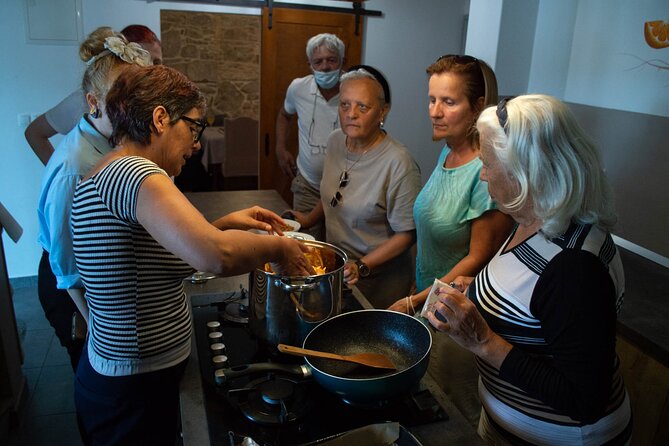
- A small family kitchen: Sanja and her family lead the hands-on class in a modern commercial-grade kitchen below their home, with views over Blato.
- Easy Blato pickup: Meet at the bus station in central Blato, where you can leave your car, then continue by a short drive to the cooking site.
- Good for families: Children have been included at each stage, with one family using the class to celebrate an 11th birthday.
- A full meal is included: You eat what you prepare with local wine from small producers, plus homemade drinks and snacks during the cooking.
- Allow more than four hours if exploring Blato: The class lasts about four hours, and you can add a little time afterward for shops and wine tasting in town.
Why this Blato cooking class feels different
Many cooking classes give you a recipe, a workstation, and a meal. This one connects the food to Blato and Korčula’s home cooking, which makes the four-hour visit feel like more than a standard kitchen lesson.
You meet Sanja and her family, then work through a small menu that shows several sides of the island. Bruschetti use whatever fresh vegetables, meat, or fish are available, or ingredients can be adjusted to your preferences. The handmade pasta takes patience and teamwork. Lumblija adds a sweet finish and a piece of local tradition.
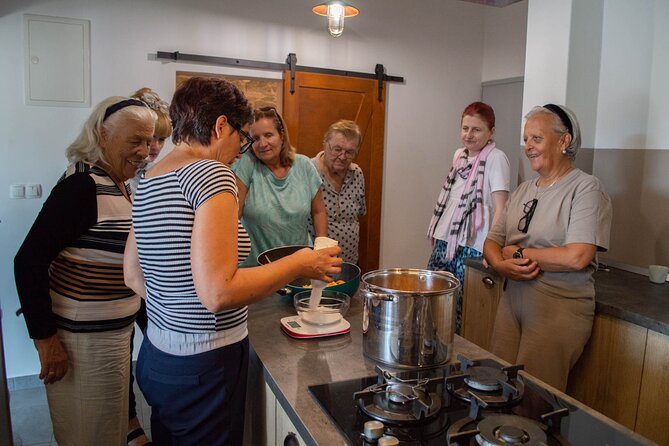
The setting also matters. The kitchen is in the basement of Sanja’s home in the hills above Blato, with a special view across the town. It is not a restaurant classroom designed for a large crowd. The group limit is 12, which gives the session a more personal scale and leaves room for questions and help at the worktable.
I would choose this class if you want food with a story and active participation. If you prefer a quick tasting with little preparation, this may feel too slow. You are expected to roll, shape, chop, cook, and sit down for the finished meal.
More Korcula Island days out:
- Korcula Buggy (Official) Safari Tour -Local Food & Wine Tasting-
★ 5.0 · 228 reviews - Peljesac Peninsula & Korcula Island Day-Trip from Dubrovnik
★ 4.3 · 135 reviews - Ston and Korcula Island Day Trip from Dubrovnik with Wine Tasting
★ 4.0 · 130 reviews
Getting from Korčula Town to Blato
Blato is roughly 50 minutes from Korčula Town by bus, according to the timing provided for the experience. That makes the class a half-day commitment, not a quick activity you can squeeze between a morning swim and an afternoon ferry.
If you are already in Blato, the meeting point is simple: the bus station in the center of town. You can also leave your car there, though paid parking may apply. Put the parking slip on your dashboard if you use a paid space.
From the bus station, Sanja meets you and drives the short remaining distance to the home kitchen. One useful orientation tip is to drive past the school and the athletic field, with the bus station about a block ahead on the left. Since the meeting point is central, you have a practical place to gather before the class begins.
The drive from Korčula Town is the main logistical drawback. It adds transport time and may require planning around the bus schedule. The payoff is a visit to a less tour-focused part of the island, with time to see Blato after the cooking if your schedule allows.
Inside Sanja’s kitchen above Blato
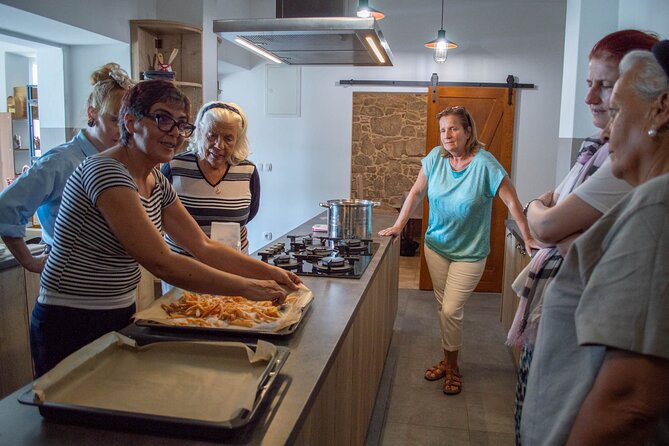
The class takes place in a modern, commercial-grade kitchen in the basement of Sanja’s home. It has the tools and working space needed for a proper cooking session, but the atmosphere remains domestic rather than formal.
You begin with introductions, homemade juices, and small snacks before putting on aprons. That gentle start matters, especially for families or anyone who has not joined a hands-on cooking class before. You have time to settle in, meet the people teaching you, and learn what will be prepared.
Sanja is the central host, with members of her family helping to teach. The names associated with the sessions include Anastasia, Gabrielle, and Amelie. The teaching style is patient and involved, with family members guiding you through the work rather than taking over.
The class can also respond to special dietary needs. You should still mention those requirements when booking, but the experience has made adjustments for different diets. Because the menu depends partly on fresh produce and your preferences, the exact bruschetti topping may vary.
First course: bruschetti with changing toppings
Bruschetti are the opening dish. You begin with grilled bread bites, then add vegetable, meat, or fish toppings depending on the day’s produce and your preferences.
A particularly useful twist is the Croatian-style hummus served with the bread. It gives the first course a local, family-kitchen feel instead of turning the class into a parade of familiar Italian dishes. Fresh ingredients such as tomatoes, basil, and lemon may come from the garden in front of the house.
This part of the lesson is also a good introduction to the way the class works. You are not handed an identical plate and told to copy it exactly. The ingredients can shift with what is available, and the finished dish reflects the island’s seasonal cooking.
You may find that the bruschetti are more about learning the balance of bread, spread, and fresh toppings than mastering a complicated recipe. That is a useful skill to take home, since it is easy to repeat without special equipment.
More cooking classes in Korcula Island:
- Traditional Cooking Class in Dubrovnik Countryside
★ 5.0 · 168 reviews - Traditional Dalmatian Cooking Class from Dubrovnik
★ 5.0 · 49 reviews - Authentic Garden to Table Cooking Class in Dubrovnik Countryside
★ 5.0 · 17 reviews - Croatian Traditional Cuisine: Peka Cooking Lesson
★ 5.0 · 10 reviews
Rolling Žrnovski makaruni by hand
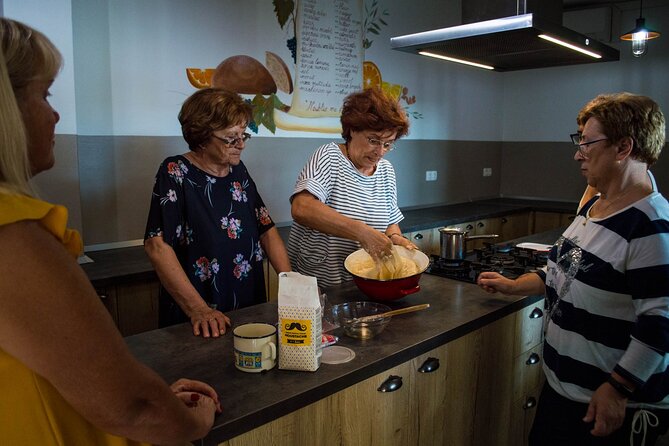
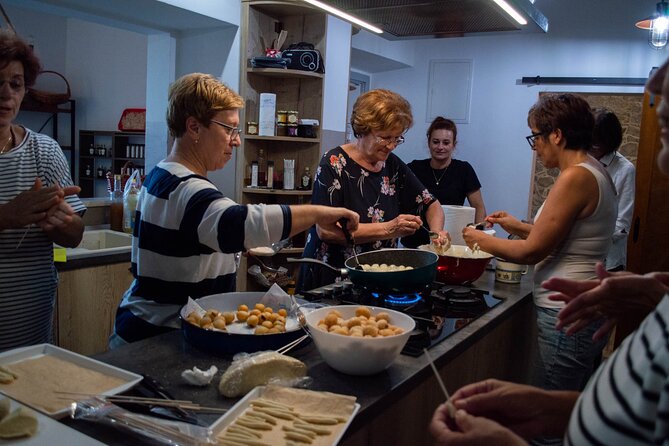
The main lesson is Žrnovski makaruni, a traditional Korčula pasta. The pasta is served with either a meat sauce or a tomato sauce, depending on the menu and preferences.
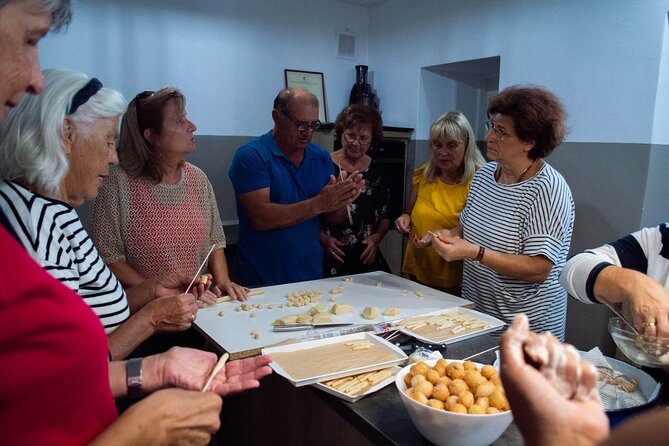
Rolling and shaping the makaruni is the most hands-on part of the workshop. You work alongside Sanja and her family as they show you the traditional method. The process can be fiddly at first, and that is part of the fun. Homemade pasta rarely comes out perfectly uniform on the first try, but the uneven pieces feel right for a meal made by hand.
This is a strong choice for families. Children have been included throughout the class, and one family brought the activity into an 11th birthday celebration. Their children helped prepare the meal rather than sitting on the sidelines, and homemade juices and candied lemon and orange peels kept them involved while the cooking continued.
Teenagers can also get something from the session. The work is physical and social, with a clear reward at the end. The class gives you an unusual way to spend time together without making the experience feel like a lesson for children only.
Sanja’s pasta work is not limited to the small batches made in class. Her handmade pasta is used by hotels in Dubrovnik and Split, and her kitchen has produced hundreds of kilograms in a year. That professional background adds weight to the pasta lesson, while the teaching itself remains relaxed and family-led.
Lumblija, the cake tied to Korčula
Dessert is Lumblija, a traditional cake made from a recipe said to be about 200 years old. The dish is linked to Korčula’s past, including the period of Napoleon’s occupation of the island.
This is the part of the menu that makes the workshop especially local. Pasta classes are common in many parts of Italy and Croatia, but Lumblija gives you a dessert you are unlikely to encounter in a standard cooking lesson elsewhere.
Sanja is also among the few cooks in Croatia permitted to sell Lumblija cakes, and the cakes have been bought by the government as gifts for diplomatic events. That does not turn the class into a formal pastry course, but it tells you that the recipe is treated as an important local specialty.
The dessert also gives you a useful reason to pay attention to the explanation of ingredients and method. You are not just eating a sweet course at the end. You are learning a recipe with a long connection to the island and a place in modern Croatian food culture.
Homemade drinks, garden produce, and local wine
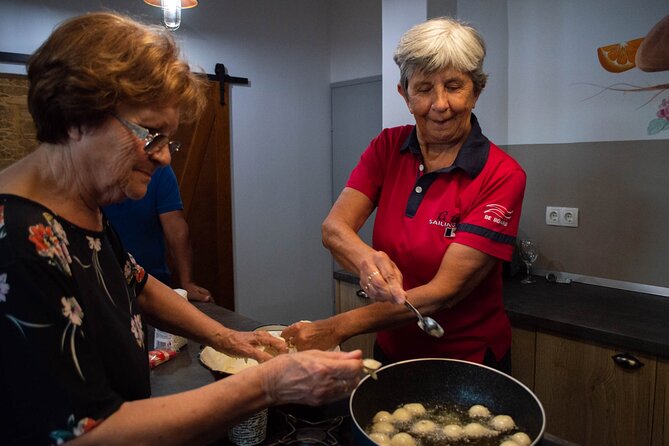
Food is only part of the welcome. Homemade juices and snacks are served while you work, and candied lemon and orange peels have been offered during the cooking. These small additions help the class feel generous without being overproduced.
The use of garden produce is another plus. Fresh tomatoes, lemons, and basil have been used in the meal, though the precise ingredients depend on what is available. That means your menu is connected to the season rather than fixed like a restaurant tasting menu.
At the end, you sit down to eat the dishes you prepared. Local wine from small producers is served with the meal. The wine is part of the experience, not just an optional purchase, so tell the host in advance if you do not drink or need a non-alcoholic alternative.
Expect the meal to stretch the schedule a little. Hungry children or pasta fans may want seconds, and extra pasta has been prepared for especially enthusiastic eaters. The point is not a rushed final plate. You have time to sit, talk, and enjoy the result of the work.
The family atmosphere and teaching style
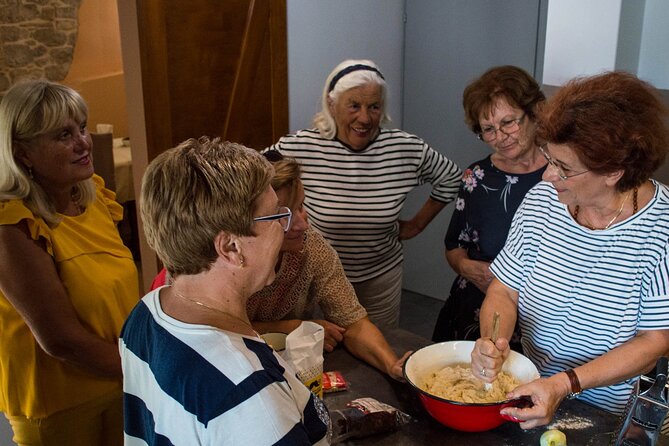
The strongest feature here is the sense of cooking with a Croatian family rather than attending a polished demonstration. Sanja and her daughters work beside you, explain the ingredients, and share the background of the dishes as you prepare them.
That personal approach is especially useful if you want to ask questions. You can learn not only how to roll the pasta, but also why these foods matter and how they fit into island life. The atmosphere is friendly and informal, though the kitchen itself is professional enough to handle the class well.
The tradeoff is that a family-led class may not feel as tightly timed as a large culinary school. The pace can change with the group, the children, the questions, and the food. I see that as a benefit for most people, but less so if you want a precise, fast-moving schedule.
The maximum group size is 12. That is still large enough for a lively session, but small enough that you should have direct contact with the instructors. Families, couples, and small groups can all fit comfortably into the format.
Price and what the $95.31 includes
At $95.31 per person, this is not the cheapest way to eat on Korčula. It is also more than the price of a simple restaurant lunch. The fair comparison is not only the meal. You are paying for about four hours of instruction, transport from the Blato meeting point to the home kitchen, homemade drinks and snacks, the cooking itself, local wine, and the finished meal.
The value improves if you enjoy the process. You leave with practical methods for making pasta and a better sense of Korčula’s food traditions. You also get a personal connection to Blato that a meal in Korčula Town may not provide.
I would be more cautious if you are mainly looking for a cheap lunch or have limited time on the island. The long trip from Korčula Town and the four-hour schedule mean you should want the class itself, not just the food at the end.
The experience requires a minimum number of participants. If the operator cancels because that minimum is not reached, you are offered another date or experience, or a full refund. Your own booking is non-refundable and cannot be changed, so check your transport plans before paying.
Add time for Blato after the meal
The cooking ends back at the meeting point, but you may want to keep the rest of the afternoon open. One account of the experience finished around 3 p.m. and left nearly two hours to walk around Blato.
That extra time gives the outing better value. You can browse local shops and visit the Blato 1902 d.d. tasting room for wine tasting. Since the cooking class already introduces you to local wine and food, continuing with a short town visit creates a natural second act.
Do not treat the post-class time as guaranteed unless your schedule allows for it. The workshop lasts about four hours, and the meal may take time. Still, if your transport connections work, Blato is worth seeing as part of the day rather than using it only as a pickup point.
Who should book this Korčula food experience
I would recommend this workshop to:
- Families with children, especially if you want an activity that keeps everyone involved.
- Food-focused visitors who enjoy learning by doing rather than watching.
- Couples and friends looking for a social half-day away from the beach.
- Cooks at home who want to learn handmade pasta and a distinctive Croatian dessert.
- Visitors staying several days, since the trip to Blato takes planning.
- Anyone interested in local traditions, especially recipes that are closely tied to Korčula.
I would think twice if you have only a short stop in Korčula Town, dislike wine-centered meals, or want a fully predictable menu. The bruschetti toppings depend on fresh ingredients and preferences, and the class has a relaxed home-kitchen character rather than a formal restaurant-school structure.
Should you book Sanja’s cooking workshop?
Book it if you want to spend a half-day making food with Sanja and her family, not simply sampling island dishes. The handmade Žrnovski makaruni and historic Lumblija cake give the experience a strong local focus, while the small group and home setting keep it personal.
The $95.31 price is reasonable for four hours of instruction, food, drinks, wine, and a cooked meal, provided you value the activity as much as the lunch. Plan your ride to Blato carefully, meet at the bus station, and leave time to explore town afterward if possible.
For a family, a food lover, or anyone willing to trade a few beach hours for a more personal side of Korčula, this is a solid choice. For a rushed itinerary, it may be too much travel for one meal.
FAQ
Where does the cooking workshop meet?
The meeting point is 1. Ul. 22, 20271, Blato, Croatia. Pickup is also available at the bus station in the center of Blato, where you can leave your car.
How long does the experience last?
The workshop lasts about four hours. The cooking portion may finish around mid-afternoon, depending on the pace of the group and the meal.
What food will I prepare?
The sample menu includes bruschetti, Žrnovski makaruni with meat or tomato sauce, and Lumblija cake. Bruschetti toppings depend on fresh produce and your preferences.
Is the activity available in English?
Yes. The workshop is offered in English.
How many people can join the class?
The maximum group size is 12 participants.
Can children or people with special diets join?
Children have been included in the cooking process, and the host can work with special dietary requirements. Service animals are allowed.
More Half-Day in Korcula Island
- Half-Day Boat Tour Korcula Archipelago
★ 5.0 · 105 reviews - From Korcula Town: Local Wine & Sightseeing Half-Day Tour
★ 4.5 · 62 reviews - Dubrovnik: Sea Kayaking Half-Day Tour
★ 4.7 · 531 reviews - Blue Cave Premium Half-Day Tour with Panoramic Old Town View
★ 5.0 · 430 reviews
More Workshops in Korcula Island
- Dubrovnik: Local Wine, Dine and Design Workshop
★ 4.8 · 10 reviews - Local Paint and Wine Workshop: A Unique Creative Experience
★ 5.0 · 6 reviews - Rock Climbing Lesson in Dubrovnik
★ 5.0 · 5 reviews - Traditional Brunch and Painting Class in Old Town Dubrovnik
★ 4.7 · 3 reviews
Newest reviews from Korcula Island
- From Dubrovnik Private tour to Korčula Island★ 3.7 · 3 reviews
- Korcula, Ston, Wine Tasting and Lunch – Tour from Dubrovnik★ 5.0 · 3 reviews
- Odysseus Cave Private Yacht Excursion from Korcula★ 5.0 · 3 reviews
- Korčula for Wine Lovers – Pošip and Grk Wines Private Tour★ 5.0 · 3 reviews
- Korčula & Ston Full-Day Private Tour from Dubrovnik★ 4.9 · 3 reviews
- Korcula Archipelago Kayak Tour★ 4.0 · 3 reviews
- Best of Korcula island winery’s by 4X4 Canam buggys with lunch★ 3.5 · 3 reviews
- Korčula for Early Risers and Coffee Lovers Private Walking Tour★ 4.5 · 3 reviews
Korcula Island Tours, compared.
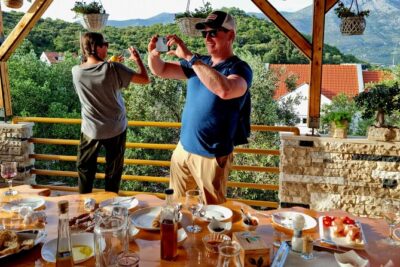
Korcula Buggy (Official) Safari Tour -Local Food & Wine Tasting-
Read our review →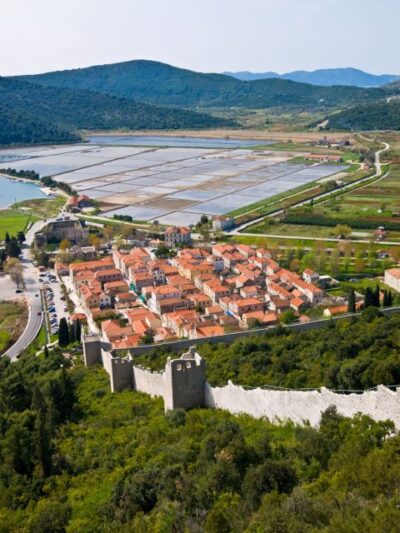
Peljesac Peninsula & Korcula Island Day-Trip from Dubrovnik
Read our review →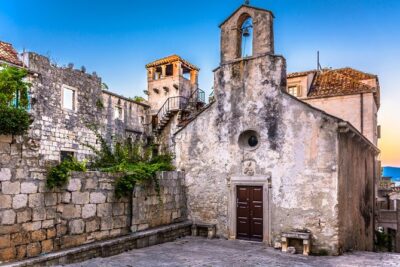
Ston and Korcula Island Day Trip from Dubrovnik with Wine Tasting
Read our review →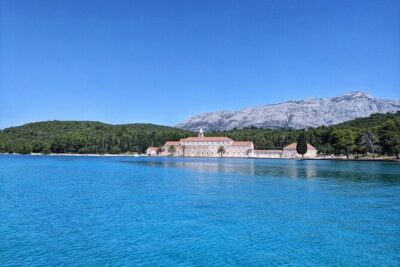
Korčula 3 ISLAND CATAMARAN TOUR Badija – Vrnik – Stupe
Read our review →
Korcula Bike & Wine Tour | Wine Tasting in Lumbarda
Read our review →Browse the lists this tour appears in