
Reviewed · HISTORICAL TOURS
Dubrovnik Fun Facts and History: 1 or 2hr Tour with Antonio
Dubrovnik’s greatest story is not simply its walls or handsome stone streets. It is how a small maritime republic stayed independent for nearly 450 years while larger powers pressed in from every side. Antonio builds the walk around that question, mixing diplomacy, trade, science, daily life, and the city’s painful rebuilding after the 1667 earthquake.
I like the local point of view and the way the tour goes beyond facts you can quickly find online. I also like the choice of a 1-hour or 2-hour format, with the longer version adding coffee at a small local shop inside the walls. The main consideration is practical: this is a walking tour over historic streets, so it is not suitable for wheelchair users or people with mobility impairments.
I also appreciate that Antonio welcomes questions about modern Dubrovnik, not just its past. The tour is best for you if you want the Old Town to make more sense, rather than simply ticking off its famous sights.
In This Review
- Key points to know before booking
- Why Dubrovnik’s independence makes this walk worthwhile
- Starting beside Revelin Fortress and the Old Harbour
- Inside the Republic: diplomacy instead of brute force
- The 1667 earthquake and the Dubrovnik rebuilt afterward
- Fun facts, local anecdotes, and modern Dubrovnik
- The two-hour version and the coffee break inside the walls
- What the meeting point and route mean for you
- Who will get the most from Antonio’s tour
- Should you book this Dubrovnik history walk?
- FAQ
- How long is the Dubrovnik Fun Facts and History tour?
- Who leads the tour?
- Where does the tour begin?
- What does the tour cover?
- Is the tour suitable for wheelchair users?
- What should I bring?
Key points to know before booking
- The main question is political survival: Learn how Dubrovnik used diplomacy and trade to protect its independence beside much larger powers.
- Antonio is a licensed local guide: He lives in Dubrovnik and brings personal stories about the city alongside its documented past.
- The 1667 earthquake gets real attention: You will look at how the disaster changed the city’s buildings and the balance of power.
- The two-hour option includes a coffee stop: The break takes place at a small shop run by a local couple inside the walls.
- The tour begins near Revelin Fortress: You meet in a shaded small square with a view toward the Old Harbour.
- The route is not designed for limited mobility: Comfortable shoes, breathable clothes, and water are important in Dubrovnik’s stone-paved streets.
Why Dubrovnik’s independence makes this walk worthwhile
Many Old Town walks give you dates, rulers, and building names. This one has a clearer thread: how the Republic of Dubrovnik protected itself without becoming a major military power.
That question gives the tour a useful shape. You hear about diplomacy, trade, maritime practice, and the careful choices made by the republic’s leaders. Dubrovnik was small, but it was not passive. Its survival depended on reading the political winds, dealing with stronger neighbors, and making the port useful to people who might otherwise have threatened it.
I find that approach more helpful than a simple parade of monuments. When you look at the Old Harbour, you can connect the water to Dubrovnik’s commercial life. When you walk through the streets, you can think about the systems of government and trade that allowed this compact city-state to function for centuries.
The tour also considers ways the Republic was ahead of its time. The subjects include governance, diplomacy, maritime rules, mathematics, and astronomy. You should not expect a university lecture on each topic in a one-hour walk, but Antonio uses these examples to show that Dubrovnik’s achievements were not limited to stone walls and seafaring.
The stories are meant to be accessible. You get the broad political picture, then smaller details about people and customs that make the republic easier to picture as a living society.
More historic sites near Dubrovnik:
- Dubrovnik Old Town History Walking Tour
★ 5.0 · 1,684 reviews - Game of Thrones & History of Dubrovnik Tour
★ 5.0 · 628 reviews - Dubrovnik: Old Town History Walking Tour
★ 4.9 · 474 reviews
Starting beside Revelin Fortress and the Old Harbour
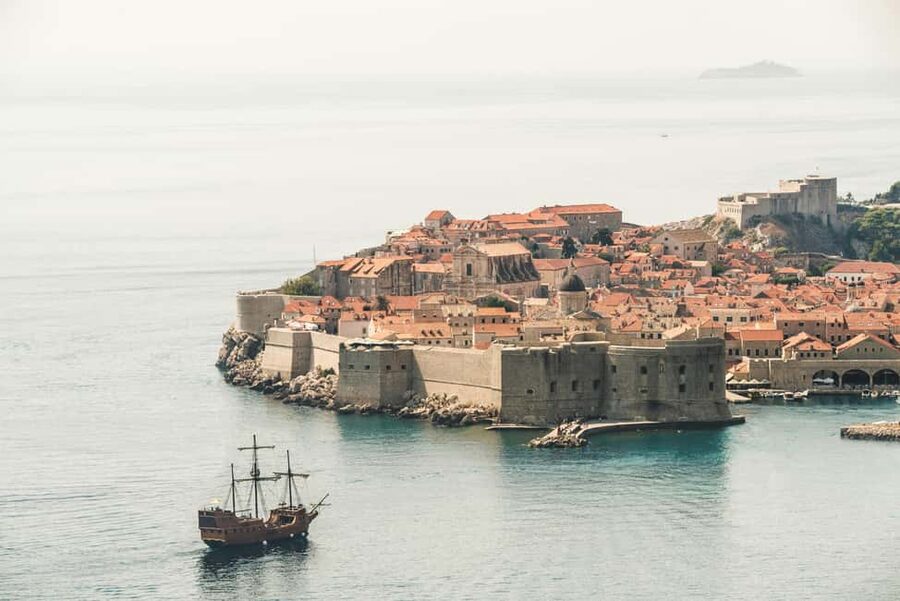
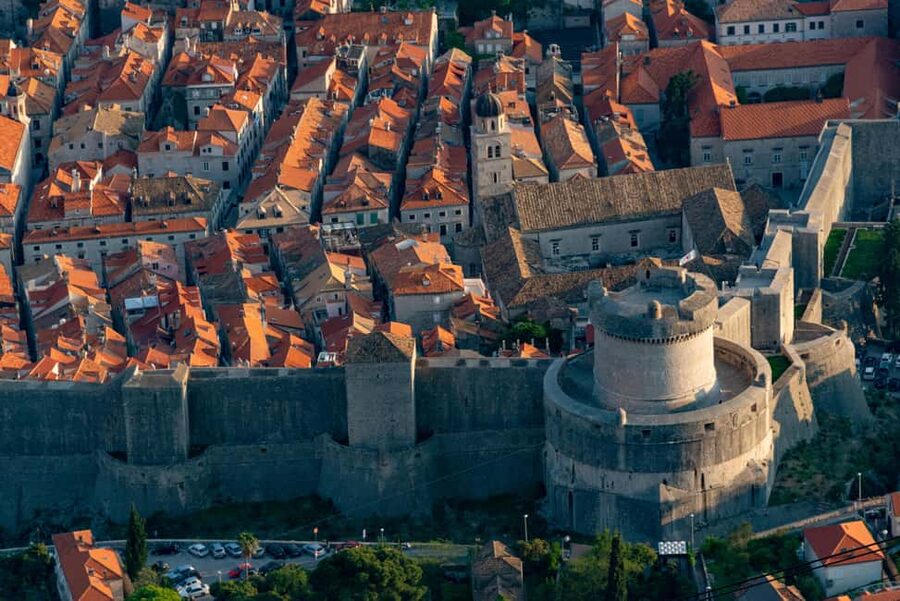
The meeting point is in the shade of a small square next to Revelin Fortress. That is a sensible place to begin, especially on a warm day. You also get a view of the Old Harbour before the walk moves into the historic streets.
Starting here helps you get your bearings. Dubrovnik’s Old Town can feel compact on a map but confusing on foot, with narrow lanes, stairs, and changing levels. Meeting outside the densest part of the old streets gives Antonio room to introduce the setting before the tour becomes more crowded and enclosed.
The fortress adds an immediate reminder of Dubrovnik’s defensive concerns. This was a republic that relied on negotiation, but it still had to protect its harbor and walls. That contrast is central to the city’s story: diplomacy came first, yet the built environment shows that caution was never abandoned.
Bring water, particularly in warmer months. Comfortable shoes matter more here than stylish footwear. The tour description calls for comfortable, breathable clothes and a reusable bottle, all sensible choices for a walk on old stone surfaces.
Inside the Republic: diplomacy instead of brute force
The central portion of the tour explains how Dubrovnik managed relations with great colonial and regional powers. The republic’s position was demanding. It had to trade, negotiate, and maintain enough independence to avoid being absorbed by a larger state.
Antonio’s subject is not only who ruled Dubrovnik. It is how the system worked. You learn about the republic’s methods of diplomacy and the people who helped shape them. The aim is to show how a small state could use tact, commercial value, and careful agreements to protect its interests.
That makes the walk useful for first-time visitors who want context for Dubrovnik’s grand appearance. The city can look like a fortress, but its long survival was not based on walls alone. The port, the merchant networks, and the decisions of its leaders were just as important.
The discussion also reaches into the republic’s wider achievements. Governance, maritime practices, mathematics, astronomy, and diplomacy are all part of the story. Some of the examples may surprise you because they connect Dubrovnik to ideas still present in modern life.
The benefit of having a guide here is interpretation. You can read a date on a plaque by yourself. It is harder to understand why a small republic made certain choices, how those choices affected ordinary life, or why a local practice mattered beyond the city.
The 1667 earthquake and the Dubrovnik rebuilt afterward
The earthquake of 1667 is the tour’s major turning point. It devastated Dubrovnik and changed the city’s physical appearance, its architecture, and the way power was divided within the republic.
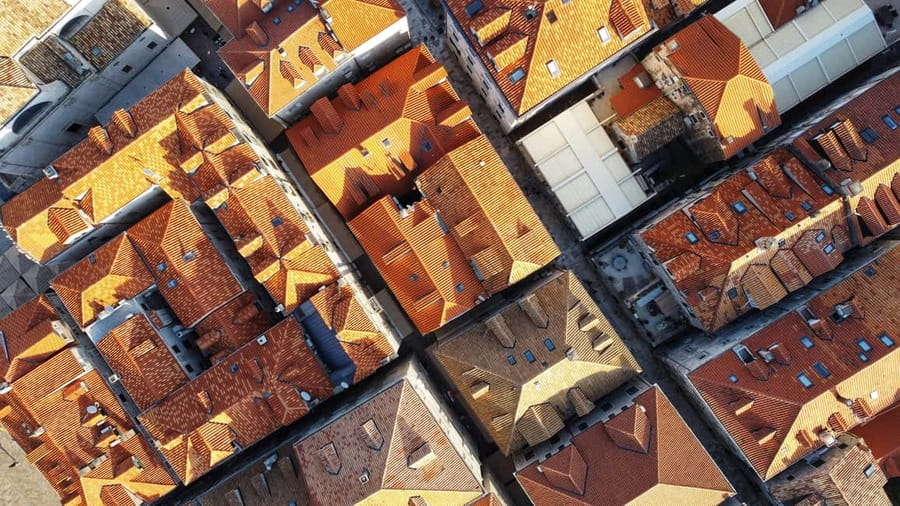
This is important because the Old Town does not represent one untouched historical period. Much of what you see reflects rebuilding after the disaster. The earthquake affected residents, damaged buildings, and forced the republic to make difficult decisions about reconstruction.
Antonio uses the event to explain the difference between the Dubrovnik before the earthquake and the city that came after it. That comparison helps you read the streets with more care. Instead of seeing a collection of old façades, you begin to ask which parts reflect earlier traditions and which came from the rebuilding effort.
The earthquake story also adds a human scale to the political history. Diplomacy and trade can feel abstract. A natural disaster makes the republic’s organization more concrete: leaders had to restore buildings, manage resources, and decide how the city should function in the aftermath.
You should expect this section to be historical rather than a specialized architectural survey. If your main interest is building design, you may want a separate architecture-focused visit. For a general walking tour, though, the earthquake provides a strong explanation for why Dubrovnik looks the way it does.
A completely different way to spend a day in Dubrovnik:
- Blue Cave Small-Group Boat Tour from Dubrovnik
★ 5.0 · 9,360 reviews - Full-Day Dubrovnik Elaphite Islands Cruise with Lunch and Drinks
★ 5.0 · 8,823 reviews - Dubrovnik: Epic Game of Thrones Tour + Lokrum & Saver Option
★ 4.9 · 5,995 reviews - Dubrovnik: Elaphiti Islands Full-Day Cruise with Lunch
★ 5.0 · 5,938 reviews
Fun facts, local anecdotes, and modern Dubrovnik
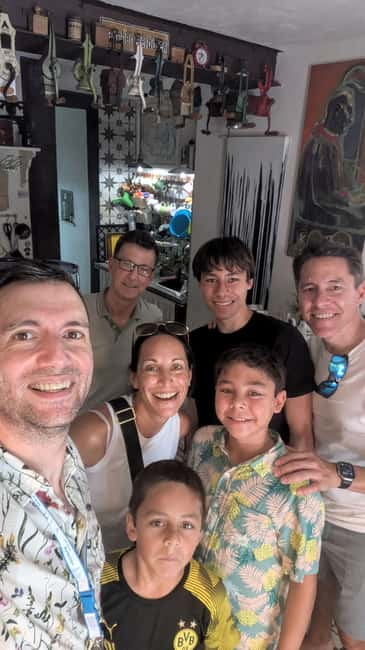
Antonio adds smaller stories throughout the walk. Some are amusing, while others are less comfortable. That mix is useful because a city’s past is never only heroic.
The anecdotes concern Dubrovnik and its people, with some details drawn from Antonio’s years of living in the city and researching its past. The appeal is the change of pace. A long explanation of political history can become heavy, while a quick local detail can make the next street easier to remember.
You may also ask about present-day Dubrovnik. Antonio enjoys discussing local culture and current happenings, so the conversation does not have to stop at the end of the republic. That flexibility matters if you want practical local perspective alongside history.
I would use this opportunity to ask questions. You might ask how the historic center has changed, what parts of the city are most meaningful to residents, or how modern life fits within the old walls. The exact discussion depends on your interests, but the format encourages conversation rather than a one-way speech.
The tone is friendly and personal. One especially warm account described the experience as feeling like a visit with a dear friend. That is a useful clue about the style: expect enthusiasm and affection for Dubrovnik, not a detached academic presentation.
The two-hour version and the coffee break inside the walls
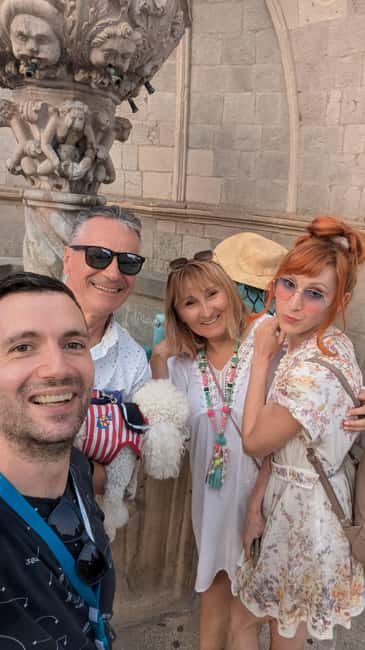
The longer tour includes a short coffee break around the one-hour point. You stop at a small shop owned by a local couple, described as a place many people would not find on their own.
This break is more than a chance to sit down. It gives the walk a natural pause and lets you talk with Antonio in a less formal setting. You may also get local specialties at the shop, though the exact food or drink selection is not specified.
I think the coffee stop makes the two-hour option more appealing for people who enjoy a slower pace. Dubrovnik’s Old Town can be tiring, especially in heat or when the streets are crowded. A seated break helps divide the history into two manageable sections.
The one-hour option is better if you have limited time or want a quick introduction before exploring alone. The two-hour tour gives Antonio more room for stories, questions, the earthquake’s aftermath, and present-day conversation.
At $28 per person, the price is reasonable if you value interpretation rather than simple sightseeing. You are paying for a licensed local guide, a focused history walk, and, on the two-hour version, the coffee stop. It is not the cheapest way to see Dubrovnik’s streets, but the cost compares well with the time and context you receive.
The value is strongest when you use the tour as an introduction. Once you understand the republic’s diplomacy, trade, and rebuilding, later visits to the walls, harbor, fortresses, and streets should feel more connected.
What the meeting point and route mean for you
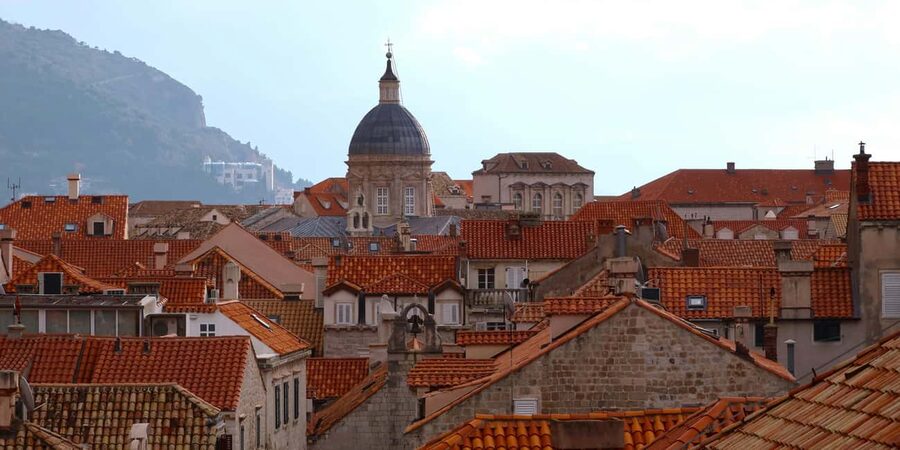
The walk begins and ends at the same meeting point, next to Revelin Fortress. That makes planning easier because you do not need to arrange transport from a distant finishing point.
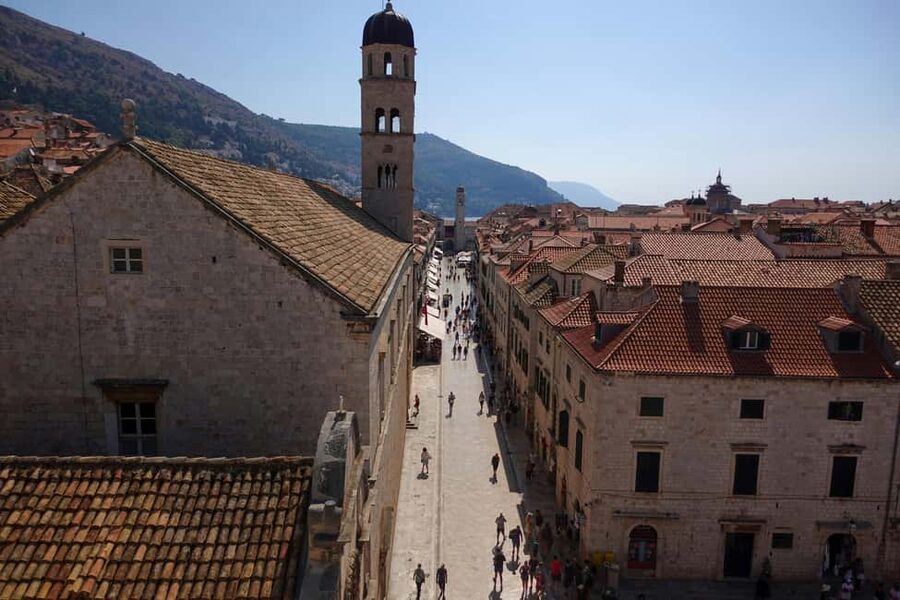
The route takes place in and around Dubrovnik’s historic streets. The supplied details do not specify every stop or the exact group size, so you should not book this expecting a fixed monument-by-monument schedule. The focus is the story of the republic, supported by the places around you.
The route is not suitable for wheelchair users or people with mobility impairments. It is also listed as unsuitable for people over 80 and babies under one year. That does not tell you the exact number of stairs or steep sections, but it does make the practical point clear: this is an active old-town walk, not a vehicle-based sightseeing experience.
Alcohol, drugs, littering, explosive substances, and audio recording are not allowed. The tour is offered in Croatian and English.
You can reserve and pay later, and cancellation is allowed up to 24 hours in advance for a full refund. Those terms give you some flexibility if your Dubrovnik schedule is still changing.
Who will get the most from Antonio’s tour
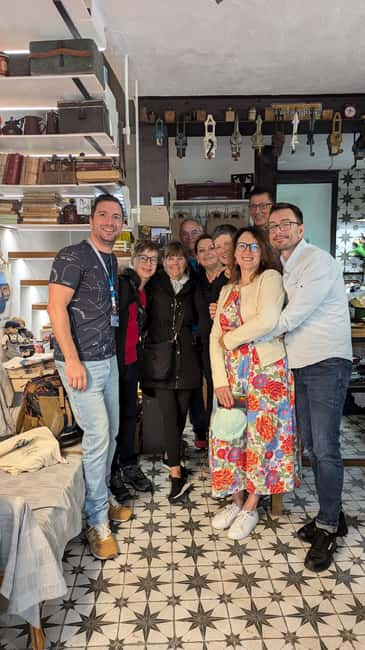
I would choose this tour if you want a clear explanation of Dubrovnik’s political history without signing up for a formal lecture. It suits first-time visitors, couples, families with older children, and anyone curious about how a small republic operated beside powerful neighbors.
It is also a good fit if you prefer a local guide who can move between history and current life. Antonio’s affection for his city is part of the experience, and that warmth may appeal to you if you enjoy personal storytelling.
The tour may be less suitable if you want only a list of major sights, a detailed architectural study, or a fast walk with no pauses. It is built around stories and discussion, so your experience will be better if you are willing to listen, ask questions, and let the history shape what you see.
The one-hour choice works for a quick orientation. Pick two hours if you want the coffee break, more anecdotes, and time to talk about present-day Dubrovnik.
Should you book this Dubrovnik history walk?
Book it if Dubrovnik’s independence, diplomacy, and local character interest you more than a standard checklist of sights. Antonio’s strongest subjects are the republic’s survival, the changes after the 1667 earthquake, and the lesser-known stories that give the Old Town a human face.
The best reason to choose it is the balance between big history and small details. You learn why the republic mattered, then hear the sort of local anecdote that helps you remember the place. Choose the two-hour version if you want a calmer pace and the coffee stop inside the walls.
Skip it if you need step-free access, dislike walking on old stone streets, or want a strictly architectural tour. For most able-bodied visitors seeking an engaging introduction to Dubrovnik, $28 is a fair price for a personal, locally grounded history walk.
FAQ
How long is the Dubrovnik Fun Facts and History tour?
You can choose a one-hour or two-hour walking tour. The two-hour option includes a coffee break at a small local shop inside Dubrovnik’s walls.
Who leads the tour?
Antonio, a Dubrovnik County licensed tour guide and local resident, leads the experience. The tour is available in English and Croatian.
Where does the tour begin?
The walk begins in the shade of a small square next to Revelin Fortress, with a view of the Old Harbour. It also ends back at this meeting point.
What does the tour cover?
The tour covers Dubrovnik’s nearly 450 years as an independent republic, including diplomacy, trade, governance, maritime practices, mathematics, astronomy, local people, and the 1667 earthquake.
Is the tour suitable for wheelchair users?
No. The experience is not suitable for wheelchair users or people with mobility impairments.
What should I bring?
Wear comfortable shoes and breathable clothing, and bring a reusable water bottle. The walk takes place through Dubrovnik’s historic streets.
Newest reviews from Dubrovnik
- Dubrovnik: Private Tour to Montenegro – Kotor & Perast★ 5.0 · 3 reviews
- Walls of Liberty: A Self-Guided Audio Tour of Dubrovnik★ 3.5 · 3 reviews
- Korcula, Ston, Wine Tasting and Lunch – Tour from Dubrovnik★ 5.0 · 3 reviews
- From Dubrovnik Private tour to Korčula Island★ 3.7 · 3 reviews
- Private Transfer Dubrovnik Airport to Dubrovnik★ 5.0 · 3 reviews
- Private tours created by You from Dubrovnik region★ 5.0 · 3 reviews
- Dubrovnik History, Sweets & Liquors in a Private Palace★ 5.0 · 3 reviews
- Dubrovnik: Game of Thrones Walking, Car and Boat Tour★ 5.0 · 3 reviews
Historical Tours, compared.
Bits of History – Half day kayak Tour with Wine delight
Read our review →


Browse the lists this tour appears in