
Reviewed · MUSEUMS
Dubrovnik: Red History Museum Regular Ticket
Dubrovnik’s Red History Museum looks past the city’s medieval walls and into the recent past. Set inside the former T.U.P. factory complex, built in 1953, it shows how people lived under Yugoslav communism through household objects, political material, music, design, and interactive displays.
I like the reconstructed home interiors, which make the period feel personal rather than purely political. I also like the Yugo 45 and communist-era soft drinks, small, playful details that help you connect big historical changes with ordinary daily life.
The main drawback is its size. This is a compact museum, not a full-day history center, and some of the digital displays may need clearer instructions. Still, at $11 per person, it offers a useful and unusual break from Dubrovnik’s standard sights.
In This Review
- Key points to know before you go
- Why this small museum matters in Dubrovnik
- Arriving at the T.U.P. factory complex
- Reconstructed rooms show the home life of Yugoslavia
- Politics, secret agencies, and the Non-Aligned world
- Music, design, and products from a parallel universe
- The Yugo 45 and the humor of memory
- How the interactive displays work
- Is $11 a fair price?
- Who will enjoy this experience most?
- Should you book the Red History Museum?
- FAQ
- Where is the Red History Museum located?
- What does the Red History Museum focus on?
- How much does regular entry cost?
- Is this the first museum of its kind in Croatia?
- Can I see a Yugo 45?
- Are communist-era drinks and candies included?
- Does the museum include information about Goli Otok?
- Is the museum interactive?
- Can I cancel my booking?
Key points to know before you go
- A former 1953 factory becomes the setting: You visit the last factory complex in Dubrovnik, the T.U.P. site in the port area.
- Daily life gets equal billing with politics: Furniture, household objects, music, candy, and soft drinks sit alongside material on the Communist Party and secret agencies.
- The Yugo 45 makes history personal: You can sit in and photograph the famous car often mocked as the worst car ever.
- Goli Otok appears behind curtains: The museum gives space to one of the darker parts of Yugoslav political history.
- Interactive displays keep the visit moving: Scanned images, older technology, virtual material, music, and hands-on details break up the reading.
- Viktor may add useful context: If he is leading your visit, his explanations can help connect the exhibits and political background.
Why this small museum matters in Dubrovnik
Dubrovnik is easy to read as a medieval city. You walk the walls, admire the stone streets, and follow stories of the Republic of Ragusa. The Red History Museum gives you a different key to present-day Croatia by looking at the decades just before independence.
Croatia was part of Yugoslavia for much of the 20th century. That period shaped family life, travel, work, politics, shopping, music, and public behavior. You do not need a detailed knowledge of Yugoslav history to follow the museum, but the displays give you a clearer sense of why modern Croatia cannot be understood through medieval history alone.
I appreciate the museum’s decision to mix serious politics with ordinary objects. A political poster can tell you what the state wanted people to believe. A piece of furniture, a favorite song, or a branded drink can show what daily life actually felt like.
The result is more approachable than a museum made only of documents and dates. You get a sense of the system through the way people dressed, decorated homes, listened to music, used products, and dealt with official power.
More museums and galleries in Dubrovnik:
- Skip the Line: Love Stories Museum Admission Ticket
★ 5.0 · 87 reviews - Visit Shell Museum Cavtat
★ 5.0 · 43 reviews - Museum of Selfies & Illusions Dubrovnik Ticket
★ 4.0 · 23 reviews
Arriving at the T.U.P. factory complex
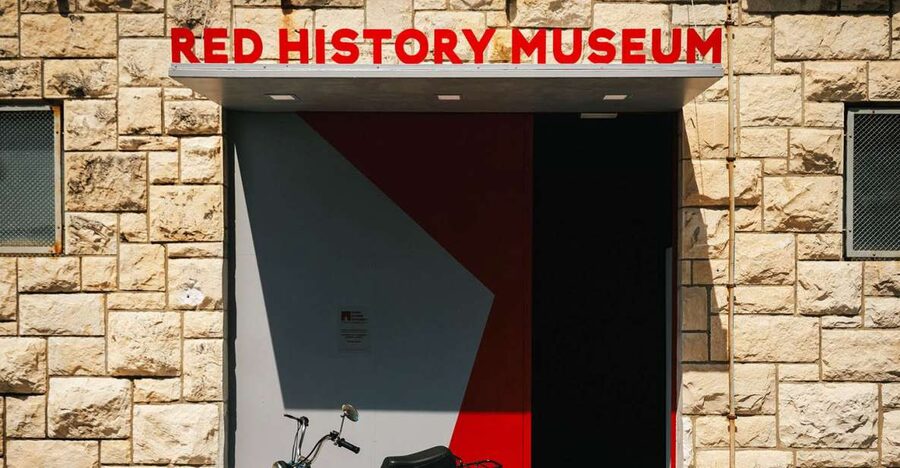
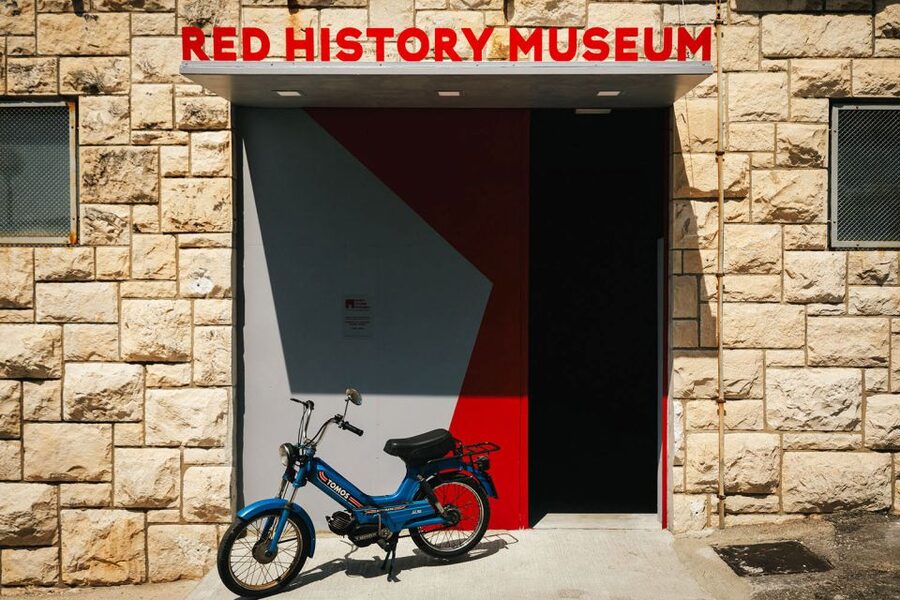
The setting is part of the experience. The museum occupies Dubrovnik’s T.U.P. factory complex in the port area, a site built in 1953. Rather than placing the collection in a polished modern gallery, the museum uses a former industrial building tied to the period it explains.
That choice gives the visit a useful sense of place. You are not only looking at objects from Yugoslavia behind glass. You are walking through a building connected to the working world of socialist Dubrovnik.
The museum is described as the last factory complex in Dubrovnik. That makes the site worth noticing before you even begin reading the displays. Look at the structure and think about the role factories once played in Yugoslav life: they were workplaces, community centers, and symbols of industrial progress.
The port setting also makes this a change of pace from the old city. If you have spent the morning among polished stone, churches, and fortifications, the factory atmosphere offers a different side of Dubrovnik. The museum does not try to recreate the city’s famous past. It asks you to consider the more recent places where people worked and lived.
Reconstructed rooms show the home life of Yugoslavia
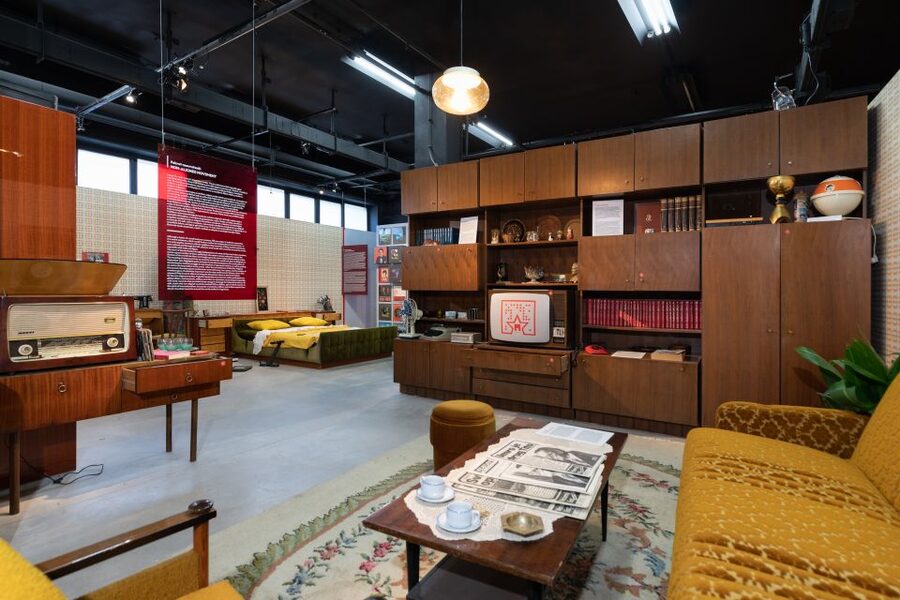
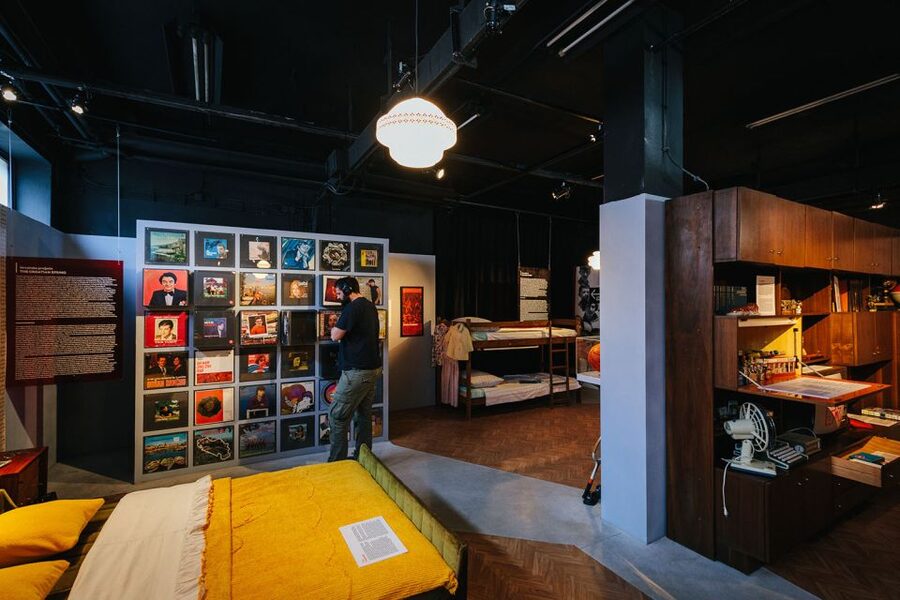
The reconstructed house is one of the strongest parts of the museum. Old furniture and domestic objects help you picture life in the 1970s and 1980s, when Yugoslavia had its own blend of socialist politics, Western influence, and local habits.
This section works because it gives your eyes something familiar to study. You can understand a political system in theory, but a room filled with period furniture makes the subject easier to grasp. The home becomes a record of taste, income, family routines, and the products available at the time.
You may notice how the museum lets the domestic setting sit beside political material. That contrast is important. Socialist life was not only speeches, party meetings, and state slogans. It was also sitting at home, listening to music, using everyday products, and making the best of what was available.
The museum also tries to show more than one side of the period. You can see the appeal of stability, shared systems, and familiar routines, while also learning about surveillance, political control, and the limits placed on people. That balance makes the visit more useful than a simple celebration or condemnation of the past.
For me, this is where the museum becomes especially valuable for younger visitors and anyone born after Yugoslavia ended. Objects can explain a vanished system faster than a long political panel. They also give older visitors a chance to recognize details from their own lives.
Politics, secret agencies, and the Non-Aligned world
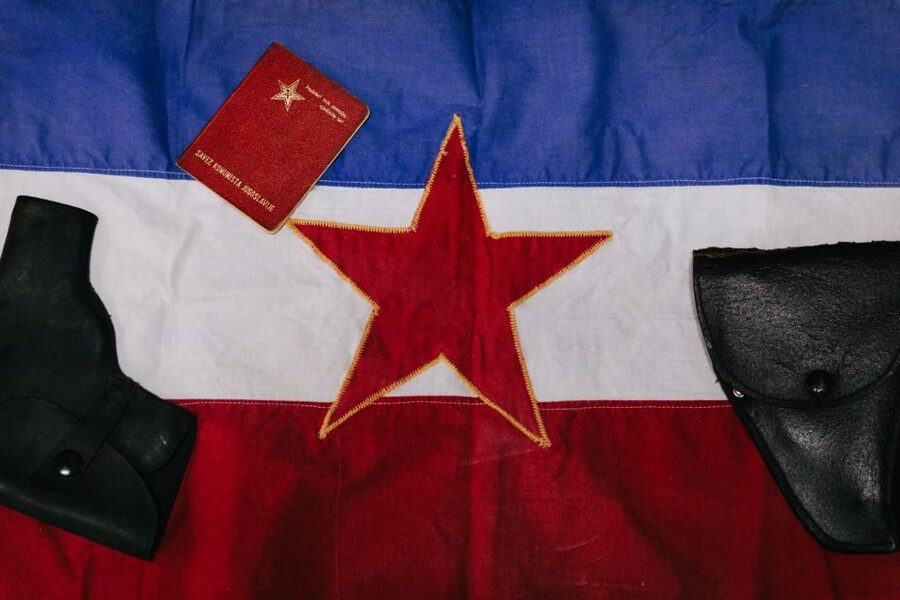
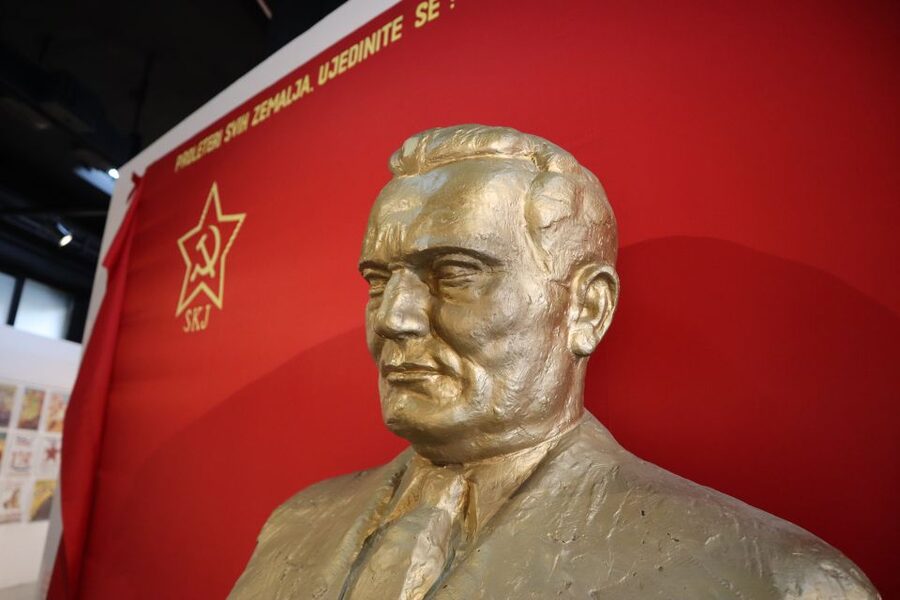
The museum moves beyond household life into the structure of Yugoslav rule. Displays cover the Communist Party, secret agencies, politics, and the country’s position within the Non-Aligned movement.
The Non-Aligned story is particularly helpful because Yugoslavia did not fit neatly into the usual Cold War categories. It was a socialist state, but its political position differed from that of the Soviet bloc. The museum’s material on the Non-Aligned world helps explain why Yugoslavia developed its own public image and international role.
You also encounter the less comfortable side of the system. Material about secret agencies and political control shows how public life operated under watch. The subject is handled as part of the wider story, not as a separate horror display, which helps you see how ordinary life and state power existed side by side.
One section on Goli Otok is placed behind curtains. That physical choice matters. It signals that you are moving from everyday memories into a darker chapter involving political prisoners and repression. Take your time here, especially if you want to understand why nostalgia for Yugoslavia can coexist with painful memories.
The museum’s treatment of the period is strongest when it lets contradictions remain visible. You can see why some people remember Yugoslavia fondly and why others remember fear, limits, or injustice. A good visit should leave you with questions, not a tidy verdict.
More historic sites near Dubrovnik:
- Dubrovnik Old Town History Walking Tour
★ 5.0 · 1,684 reviews - Game of Thrones & History of Dubrovnik Tour
★ 5.0 · 628 reviews - Dubrovnik: Old Town History Walking Tour
★ 4.9 · 474 reviews - Early Bird Dubrovnik History Tour – 7:30 Start
★ 5.0 · 198 reviews
Music, design, and products from a parallel universe
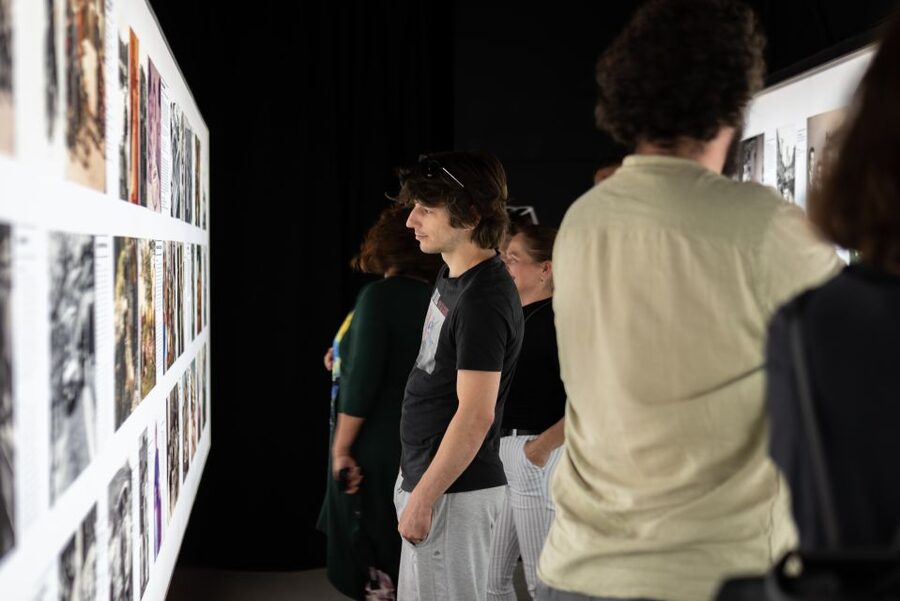
The museum uses pop culture to keep the political story from becoming a wall of text. Music from the period plays an important role, and the exhibits look at design as well as official ideology.
The soundtrack can change how you read the objects. A chair, package, poster, or household item becomes part of a social world rather than a random old thing. Music also reminds you that people under communism had fun, developed personal tastes, and followed popular culture like people anywhere else.
The product displays are a clever touch. You can see or try communist versions of familiar drinks such as Coca-Cola or Fanta, along with popular candies from the time. The idea of a parallel universe makes the point quickly: the brands and habits may look familiar, but the political and economic setting was different.
This is one of the museum’s best choices for families. Children may not want to read every political panel, but they can compare packaging, examine old products, and ask why the drinks look different. Those questions can lead naturally into a conversation about trade, consumer choice, and life behind political borders.
Do not expect a large food tasting session. The attraction includes the chance to treat yourself to period drinks and candies, but the main purpose is historical context. The snacks are a finishing touch, not the reason to book the visit.
The Yugo 45 and the humor of memory
The Yugo 45 is the museum’s most obvious photo stop. You can sit in the car and take a picture, turning a symbol of Yugoslav manufacturing into a personal part of your visit.
The car is often called the worst car ever, but the joke only tells part of the story. The Yugo 45 was also an everyday object tied to mobility, family life, and the ambitions of a country trying to build its own industrial identity.
That mix of humor and history is exactly what makes the display work. You can laugh at the car’s reputation, then think about what owning one meant to a family. A museum about recent history needs these ordinary points of contact. They keep the past from feeling remote.
The Yugo also adds variety. After reading about political structures and secret agencies, you get a hands-on moment that is light without being empty. If you are taking photos, this is likely to be one of the most memorable images from the museum.
How the interactive displays work
The Red History Museum combines older objects with newer technology. You can expect virtual material, scanned images, music, and interactive elements alongside physical exhibits and reconstructed rooms.
That mixture helps control the pace. The museum has a lot to say, but the interactive parts stop the information from feeling like one long reading assignment. You can shift between listening, looking, scanning, and handling the story in different ways.
Some of the scanned images may not work perfectly for everyone. You might find that a virtual display does not respond immediately, or that the instructions are not clear enough. Give the technology a second try, but do not let one uncooperative screen distract you from the physical exhibits, which carry much of the visit.
If Viktor is guiding your time at the museum, his explanations can be useful, particularly when the political material becomes unfamiliar. The museum can be visited as an interactive self-directed experience, but a good explanation adds human context to the objects and events.
I would plan to read at a steady pace rather than rush from screen to screen. The museum is small, so you do not need to race. Let the domestic displays, music, and political material build on one another.
Is $11 a fair price?
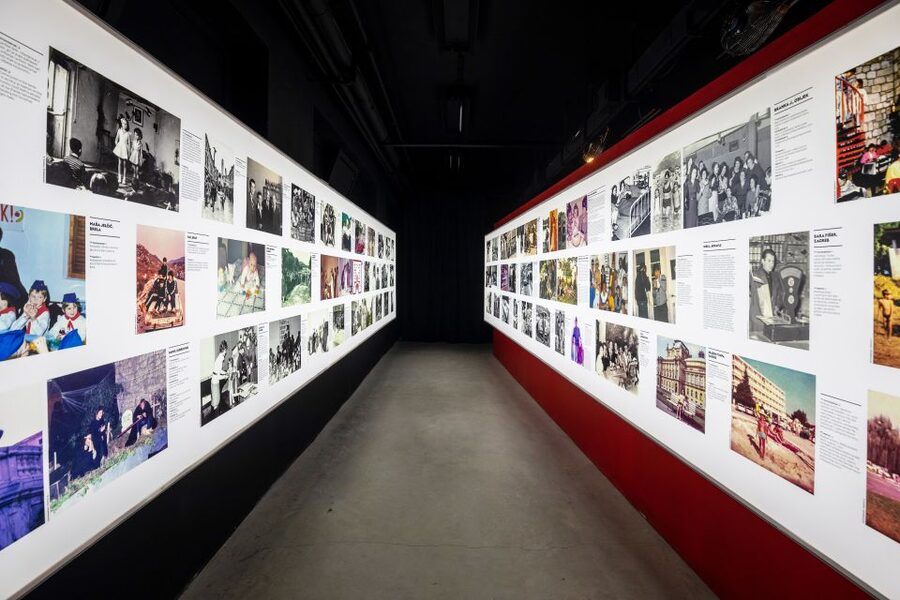
At $11, the museum is reasonably priced for a focused cultural attraction in Dubrovnik. It is not a massive collection, and you should not expect several hours of exhibits. Its value comes from the quality of the idea and the way it connects objects, politics, and daily life.
The price feels strongest if you are curious about Croatia beyond the old city. It also makes sense if you have already seen Dubrovnik’s major historic sights and want something that explains the 20th century.
The value is lower if you want a traditional museum with a large collection, extensive art, or a long chronological display. This is a compact experience built around atmosphere, interpretation, and interaction.
You can also keep your plans flexible by reserving now and paying later. Cancellation is allowed up to 24 hours in advance for a full refund. Those terms are useful in Dubrovnik, where weather, cruise crowds, and changing day plans can affect your schedule.
Who will enjoy this experience most?
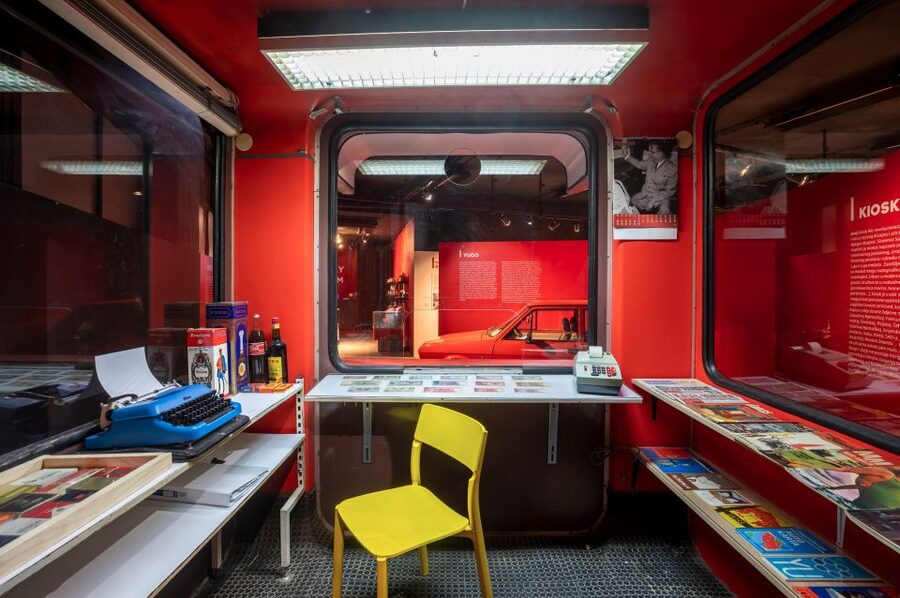
I would recommend the museum to anyone interested in Croatia’s recent past, Yugoslavia, Cold War politics, or everyday life under communism. It is also a good choice for visitors who prefer objects and atmosphere over a formal lecture.
Families can use the car, candy, drinks, music, and room displays as easy entry points. The museum’s interactive elements give younger visitors something to do while adults read the political background.
It also suits people who have family connections to the former Yugoslavia. The furniture, songs, products, and stories may bring back memories, while the political exhibits can add context to experiences that were previously understood only in personal terms.
I would be less likely to recommend it if your main interest is medieval Dubrovnik, religious art, or large national collections. The subject is narrow, and the museum assumes that the recent past is worth examining closely.
Should you book the Red History Museum?
Book it if you want to understand the Croatia behind the postcards. The museum gives you a compact but thoughtful look at Yugoslav life through homes, products, pop culture, politics, state power, and the memorable Yugo 45.
I especially like the balance between serious material and approachable details. You can learn about Goli Otok and secret agencies, then examine old furniture, listen to period music, or try a communist-era soft drink. That range keeps the visit human.
The museum is small, and a few digital displays may be less clear than they should be. Even so, $11 buys a distinctive experience in a former 1953 factory and a useful way to place modern Croatia in context. If you have a free part of the day in Dubrovnik, this is a sensible choice.
FAQ
Where is the Red History Museum located?
The museum is in the T.U.P. factory complex in Dubrovnik’s port area. The factory complex was built in 1953.
What does the Red History Museum focus on?
It focuses on Croatia’s communist history and life under the Yugoslav regime. Subjects include politics, design, secret agencies, the Non-Aligned movement, popular culture, and everyday home life.
How much does regular entry cost?
The regular entry ticket costs $11 per person.
Is this the first museum of its kind in Croatia?
Yes. The Red History Museum is described as the first museum in Croatia focused on the country’s communist history.
Can I see a Yugo 45?
Yes. The museum includes a Yugo 45, and you can take a photo in the car.
Are communist-era drinks and candies included?
The museum offers popular drinks and candies from the period, including communist versions of Coca-Cola or Fanta. The regular ticket includes entry to the museum, while the provided information does not specify any separate cost for the refreshments.
Does the museum include information about Goli Otok?
Yes. Information about Goli Otok is presented in a section behind curtains.
Is the museum interactive?
Yes. It combines old and new technology with scanned images, virtual material, music, reconstructed rooms, and physical objects.
Can I cancel my booking?
You can cancel up to 24 hours in advance for a full refund. You can also reserve your spot and pay later.
Newest reviews from Dubrovnik
- Dubrovnik: Private Tour to Montenegro – Kotor & Perast★ 5.0 · 3 reviews
- Walls of Liberty: A Self-Guided Audio Tour of Dubrovnik★ 3.5 · 3 reviews
- Korcula, Ston, Wine Tasting and Lunch – Tour from Dubrovnik★ 5.0 · 3 reviews
- Private Transfer Dubrovnik Airport to Dubrovnik★ 5.0 · 3 reviews
- From Dubrovnik Private tour to Korčula Island★ 3.7 · 3 reviews
- Private tours created by You from Dubrovnik region★ 5.0 · 3 reviews
- Dubrovnik History, Sweets & Liquors in a Private Palace★ 5.0 · 3 reviews
- Dubrovnik: Game of Thrones Walking, Car and Boat Tour★ 5.0 · 3 reviews
Museums, compared.

Skip the Line: Love Stories Museum Admission Ticket
Read our review →
Love Stories Museum Skip-the-Line Entrance Ticket
Read our review →
Banac Gallery Entrance with Coffee and Fresh Juice
Read our review →
Ticket for Banac Gallery with Van Gogh’s-Sunflowers
Read our review →Browse the lists this tour appears in