
Reviewed · HISTORICAL TOURS
Dubrovnik’s History with a Local: the Homeland War Stories Private Tour
Dubrovnik’s polished stone streets tell only part of the story. On this private two-hour walk, you follow the route from Revelin Fortress and Ploče Gate through the Old Town, learning how the Croatian War of Independence changed daily life here. The most powerful moments come when a local guide connects today’s buildings with the shelling of the early 1990s.
I like the personal scale of the tour, especially when the guide is Vesna, who lived in the Old Town during the 1991 siege. I also like the route’s clear shape: it begins at Revelin Fortress, passes the Memorial Room of the Defenders of Dubrovnik, and ends at Pile Gate with a view toward Fort Imperial.
The subject is serious, and the short format leaves little room for a full account of the war or Yugoslavia’s breakup. You should also expect a moderate amount of walking on Old Town streets, with no hotel transport, food, or drinks included.
In This Review
- Key points to know before booking
- Why this Dubrovnik walk adds something different
- Starting at Revelin Fortress and Ploče Gate
- Reading the war scars in the Old Town
- Luža Square and the scale of the shelling
- The Memorial Room of the Defenders
- Rector’s Palace and the details of daily life
- Two churches and the marks left behind
- Finishing at Pile Gate with Fort Imperial in view
- Price, private value, and group size
- Who should choose this Homeland War tour
- Should you book it?
- FAQ
- How long does the Homeland War tour last?
- Is this a private tour?
- Where does the tour start?
- Where does the tour end?
- Does the tour include hotel pickup?
- Is admission included at the stops?
- Can I cancel for a full refund?
Key points to know before booking
- Personal 1991 memories: Vesna lived inside Dubrovnik’s Old Town during the siege and can explain the war through daily life as well as dates and events.
- A focused route: The walk covers Revelin Fortress, Ploče Gate, Luža Square, the Memorial Room, Rector’s Palace, two churches, and Pile Gate.
- Visible war damage: You’ll see repaired and unrepaired marks on historic buildings rather than hearing only an abstract account.
- A quiet memorial stop: The Memorial Room contains photographs from the war and gives the tour its most direct emotional focus.
- Private setting: Only your own group takes part, which gives you more freedom to ask questions than on a large city walk.
- Good value for a history-minded group: At $83, the price is easier to justify when shared by a small private group, especially since group discounts may be available.
Why this Dubrovnik walk adds something different
Most first visits to Dubrovnik focus on medieval walls, polished limestone, churches, and grand palaces. Those sights deserve attention, but they can make the city feel untouched by modern events. This tour corrects that picture.
The Homeland War, also called the Croatian War of Independence, shaped the city during the early 1990s as Yugoslavia broke apart. Dubrovnik’s Old Town was shelled, and the damage remains visible in places. The tour asks you to look again at buildings you might otherwise photograph only for their beauty.
I find that approach useful because the war is not presented as a distant chapter. It is tied to specific squares, gates, churches, and homes. You begin by considering the first attack, then move through the Old Town while the guide explains what happened, how the city responded, and what daily life felt like for people inside it.
The private format matters here. This is not a scripted audio route where you move at one fixed pace. You can stop to ask about a building, a family’s experience, or a detail you do not understand. The exact depth depends on your guide, but the personal nature of the walk is one of its main strengths.
More Homeland War history tours in Dubrovnik:
- Guided Tour to Kupari From Holiday Resort to War Zone
★ 5.0 · 19 reviews - Dubrovnik Homeland War Private Tour
★ 5.0 · 7 reviews - Dubrovnik at War 1991-1992 Private Walking Tour
★ 5.0 · 4 reviews
Starting at Revelin Fortress and Ploče Gate
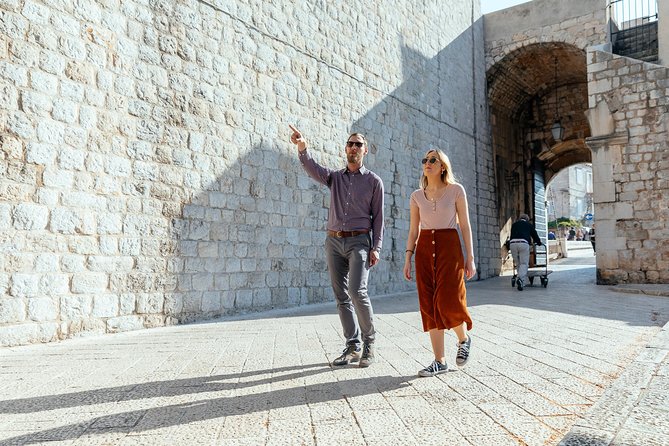
The meeting point is on Ulica Vrata od Ploča, beside Ploče Gate. The tour begins at Revelin Fortress, where you travel back to the day Dubrovnik was attacked for the first time. The stop lasts about 15 minutes and does not require a separate admission ticket.
Revelin is a fitting starting point. It puts you near the eastern entrance to the Old Town and gives the war story a clear physical setting before you enter the narrow streets. Rather than beginning with a general lecture, the guide starts with an event tied to this part of the city.
You then pass through Ploče Gate, one of Dubrovnik’s beautiful entrances and part of the UNESCO listed Old Town. This section takes about 10 minutes. It is also your first reminder that the tour moves through a place that looks calm and historic today, but was not removed from the fighting.
I would arrive with enough time to find the meeting point. The experience does not include hotel pickup, so you need to make your own way to Ploče Gate. Since the end point is at Pile Gate, the walk also works well as a short east-to-west crossing of the Old Town.
Reading the war scars in the Old Town
The main Old Town section lasts about 25 minutes. Here the guide explains when and why the war began, then points out how the fighting affected historic buildings. This is where the tour shifts from a single event at the fortress to the wider effect on the city.
Look closely as you walk. Some damage has been repaired, while other marks remain visible. The value is not in finding dramatic ruins. Dubrovnik is not presented as a city frozen in wartime. Instead, you learn to notice small signs in a functioning historic center.
The guide’s job is especially important here. A generic city walk might tell you that buildings were damaged, but a local can explain what those places meant during the siege. Vesna, in particular, lived in the Old Town during 1991. Her firsthand account gives the route a human scale, and that personal connection was one of the strongest reasons to choose this version of Dubrovnik’s past.
Keep your expectations realistic. Two hours is enough for a focused introduction, not a complete military or political study. If you want a detailed account of every operation, commander, or diplomatic event, you will need additional reading or a longer specialist experience. If you want to understand how the war affected Dubrovnik’s streets and residents, the timing is well judged.
Luža Square and the scale of the shelling
At Luža Square, you have about 10 minutes to consider how the city was hit by more than 5,000 grenades. The number is hard to grasp in the abstract, so the square gives the figure a physical frame.
This is a useful stop because it asks you to imagine the Old Town under attack while standing in one of its public spaces. The contrast between the square’s appearance today and the damage caused during the war is the point. The guide can help turn a large number into something you can picture.
You may find this part emotionally heavy. The tour does not treat the war as a colorful anecdote or a quick break from sightseeing. It deals with loss, fear, and destruction. That tone will suit you if you want a serious account, but it may not fit a day when you are looking only for light entertainment.
More historic sites near Dubrovnik:
- Dubrovnik Old Town History Walking Tour
★ 5.0 · 1,684 reviews - Game of Thrones & History of Dubrovnik Tour
★ 5.0 · 628 reviews - Dubrovnik: Old Town History Walking Tour
★ 4.9 · 474 reviews - Early Bird Dubrovnik History Tour – 7:30 Start
★ 5.0 · 198 reviews
The Memorial Room of the Defenders
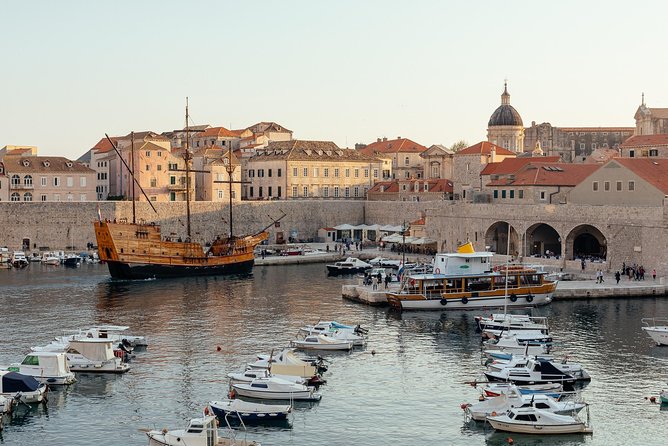
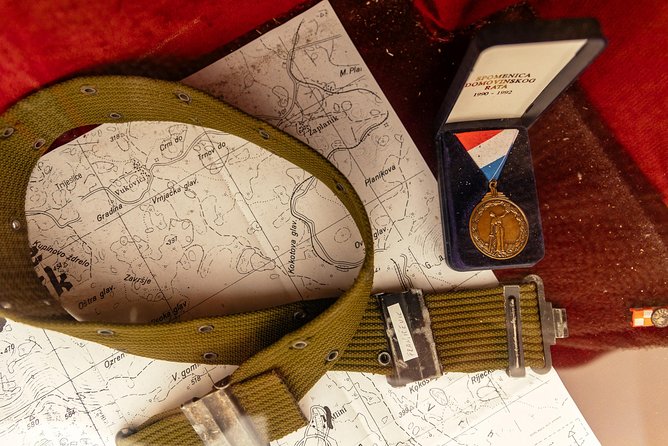
The Memorial Room of the Defenders of Dubrovnik is the clearest memorial stop on the route. You spend about 10 minutes looking at photographs taken during the war. There is no separate admission charge listed for the visit.
For me, this is the section that gives the walk its center. The streets and buildings show physical damage, but the photographs make the human cost harder to overlook. The room also gives you a pause from walking, which helps the story settle before you continue through the city.
The name of the room points to its purpose: remembering those who defended Dubrovnik. Your guide can place the photographs in the wider story and explain why the memorial matters locally. If you have a personal connection to military service, you may find this stop especially meaningful. Vesna’s own experience adds weight, since she was living in the Old Town during the siege rather than recalling events from a distance.
Photography rules are not specified in the tour information, so I would follow any instructions posted inside the room and ask the guide before taking pictures. The point is remembrance first, sightseeing second.
Rector’s Palace and the details of daily life
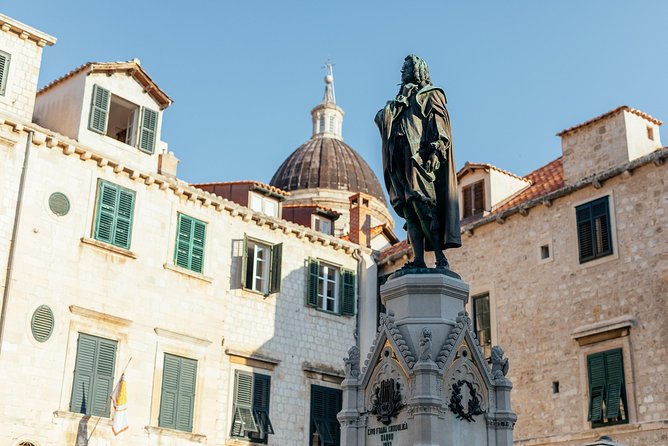
Rector’s Palace receives about 10 minutes. The building itself is impressive, but the more useful part of this stop is the discussion of ordinary life during the war.
This shift is important. Wars are often explained through attacks, dates, and military positions. Daily life shows what those events meant after the headlines faded: how people moved through the city, how familiar places changed, and how residents managed under pressure. The supplied tour details do not promise a fixed list of personal stories, so the exact conversation will depend on your guide and questions.
I would use this point to ask about practical routines. How did people live inside the Old Town? What happened to familiar public places? Which parts of daily life changed first? A private tour gives you a better chance to ask those questions without holding up a large group.
Rector’s Palace also helps balance the route. The tour is not only about damage. It shows a historic building that still functions as part of Dubrovnik’s identity while carrying a modern story connected to the war.
Two churches and the marks left behind
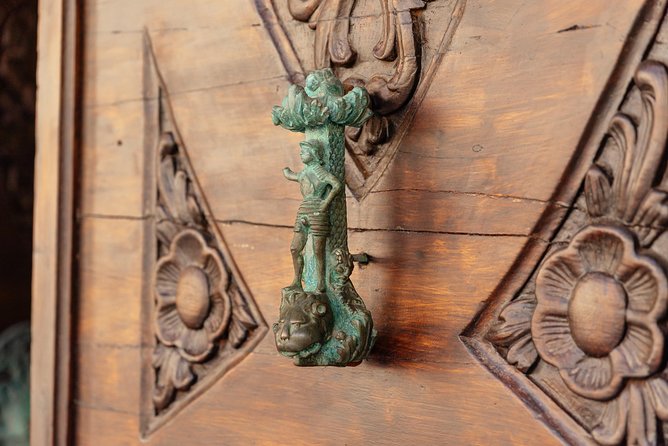
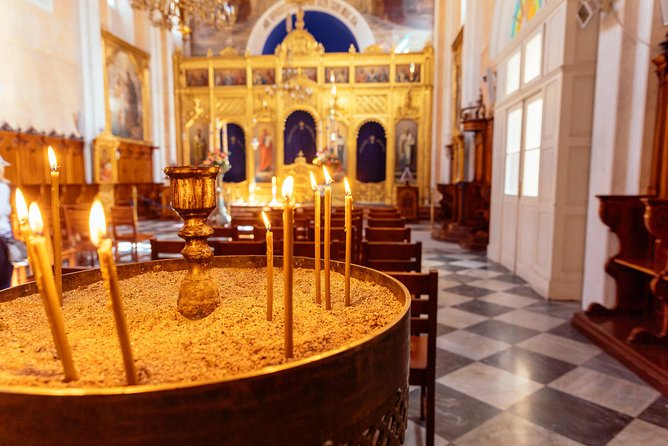
The Church of the Holy Annunciation is a 15-minute stop. You look at a repaired Orthodox church and hear more about the situation on the ferries during the war. The reference to ferries adds a practical angle to the story, showing that the conflict affected movement and connections as well as buildings.
The church itself offers a reminder that repair can make war damage less obvious. A restored building may look complete, but the guide’s account can reveal what happened before the repairs. If architecture interests you, this is a good point to ask what was damaged and how the restoration changed the building.
The Church of St. Salvation follows, with about 10 minutes devoted to visible damage in the Old Town. This is another close-looking stop. You are not simply told that Dubrovnik suffered shelling. You are shown places where the evidence can still be seen.
The two churches make a useful pair. One emphasizes repair and the other keeps attention on remaining marks. Together, they help you understand that recovery does not erase the past. The walk also avoids treating every damaged building as a museum piece. These are living parts of the Old Town, and that makes the story more immediate.
Finishing at Pile Gate with Fort Imperial in view

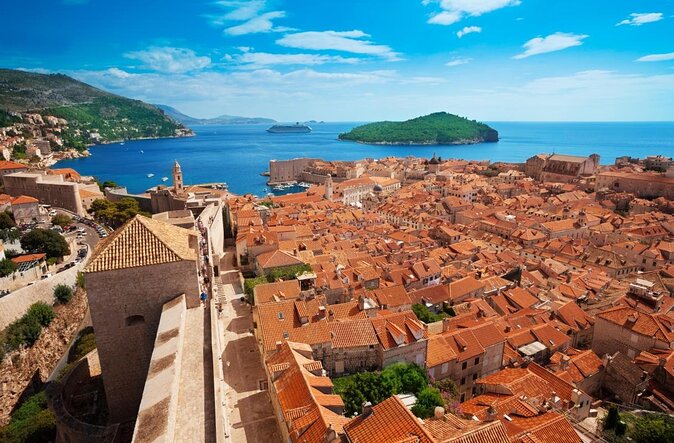
The tour ends at Pile Gate after about 15 minutes. From here, you can also see Fort Imperial. Since the tour begins at Ploče Gate and finishes on the other side of the Old City, you finish in a different part of Dubrovnik rather than returning to the start.
That is practical if you want to continue sightseeing, find a meal, or explore the area around Pile Gate. It also gives the walk a sense of movement through the city. You have crossed from the eastern entrance to the western side while adding wartime meaning to places you might have visited anyway.
Fort Imperial provides a final visual link to the wider defense of Dubrovnik. The tour information does not include a visit inside the fort, so you should view it as part of the closing scene, not as an additional stop with entry included.
The route is not long by city tour standards, but Old Town walking can still be tiring. A moderate level of physical fitness is recommended. Wear shoes suited to stone streets, and remember that the tour lasts about two hours with frequent stops.
Price, private value, and group size
The listed price is $83. For a private tour, that can be fair value, especially if several people share the cost. Group discounts may also be available, though the exact savings are not specified.
You are paying mainly for the guide’s time and local perspective, not for paid attractions. Admission is listed as free at every stop, and food, drinks, and hotel transportation are excluded. That keeps the structure simple, but it means you should budget separately for anything you want before or after the walk.
A private tour is most worthwhile for people who care about conversation. If you ask questions, want the guide to slow down at a particular building, or prefer a serious subject without a large group, the format earns its price. For a solo person, $83 may feel less economical than a shared walk. For a couple, family, or small group, the calculation improves.
The tour also has a mobile ticket and confirmation at booking, with a meeting point near public transportation. You must arrange your own arrival and departure. Free cancellation is available until 24 hours before the start time, but changes or cancellations inside that window are not accepted and are not refunded.
Who should choose this Homeland War tour
I would choose this experience if you have already seen Dubrovnik’s main sights and want to understand the city beyond medieval walls and postcard views. It also suits anyone with a strong interest in modern European history, military history, memorials, or personal accounts of conflict.
The tour is a good match for:
- Couples or small groups who want a private conversation
- Visitors who prefer local stories to a broad sightseeing script
- People who want to see war damage in context
- Those who have limited time but can spare two focused hours
- Anyone interested in how ordinary life changed during the siege
I would think twice if your main goal is architecture, food, or a relaxed stroll with little serious discussion. The experience is centered on the Homeland War, and the subject includes grief and destruction. It is also not a full Old Town introduction, so first-time visitors who want every major landmark explained may prefer a general city tour first.
The guide makes a major difference. If Vesna leads your walk, you can expect personal stories from someone who lived in the Old Town during the 1991 siege. Her account is especially valuable for people who want more than a date-based explanation. The provider may assign another local guide, so confirm the guide’s name if Vesna’s firsthand experience is important to your decision.
Should you book it?
Book this tour if you want Dubrovnik’s recent past placed directly onto its streets. The route is compact, private, and carefully focused, with the Memorial Room, Luža Square, repaired churches, and visible building damage giving the history a physical presence.
At $83, it is strongest value for a small group that will ask questions and take advantage of the private format. Skip it if you want a light sightseeing walk or a broad survey of all Dubrovnik attractions. For a serious, personal look at the city’s experience during the early 1990s, this is one of the more useful ways to spend two hours.
FAQ
How long does the Homeland War tour last?
The tour lasts approximately two hours.
Is this a private tour?
Yes. Only your group participates in the activity.
Where does the tour start?
It starts at Ulica Vrata od Ploča, beside Ploče Gate in Dubrovnik.
Where does the tour end?
The tour ends at Pile Gate on the western side of Dubrovnik’s Old City.
Does the tour include hotel pickup?
No. Hotel pickup and drop-off are not included.
Is admission included at the stops?
The listed stops have no separate admission charge. Food and beverages are not included.
Can I cancel for a full refund?
Yes, if you cancel at least 24 hours before the experience start time. Cancellations or changes made less than 24 hours in advance are not refunded or accepted.
Newest reviews from Dubrovnik
- Dubrovnik: Private Tour to Montenegro – Kotor & Perast★ 5.0 · 3 reviews
- Walls of Liberty: A Self-Guided Audio Tour of Dubrovnik★ 3.5 · 3 reviews
- Korcula, Ston, Wine Tasting and Lunch – Tour from Dubrovnik★ 5.0 · 3 reviews
- Private Transfer Dubrovnik Airport to Dubrovnik★ 5.0 · 3 reviews
- From Dubrovnik Private tour to Korčula Island★ 3.7 · 3 reviews
- Private tours created by You from Dubrovnik region★ 5.0 · 3 reviews
- Dubrovnik History, Sweets & Liquors in a Private Palace★ 5.0 · 3 reviews
- Dubrovnik: Game of Thrones Walking, Car and Boat Tour★ 5.0 · 3 reviews
Historical Tours, compared.

Bits of History – Half day kayak Tour with Wine delight
Read our review →


Browse the lists this tour appears in